Skip to content

Volume Discounts Apply At Checkout

Calamondin Cumquat – Calamondin Citrus Tree

Calamondin Cumquat – Calamondin Citrus Tree

Compact evergreen habit and vibrant orange fruit provide year-round ornamental and edible garden value.

Regular price $810.00
Sale price $810.00 Regular price
Tax included. Shipping calculated at checkout.
01 Choose your pot size
02 Your selection
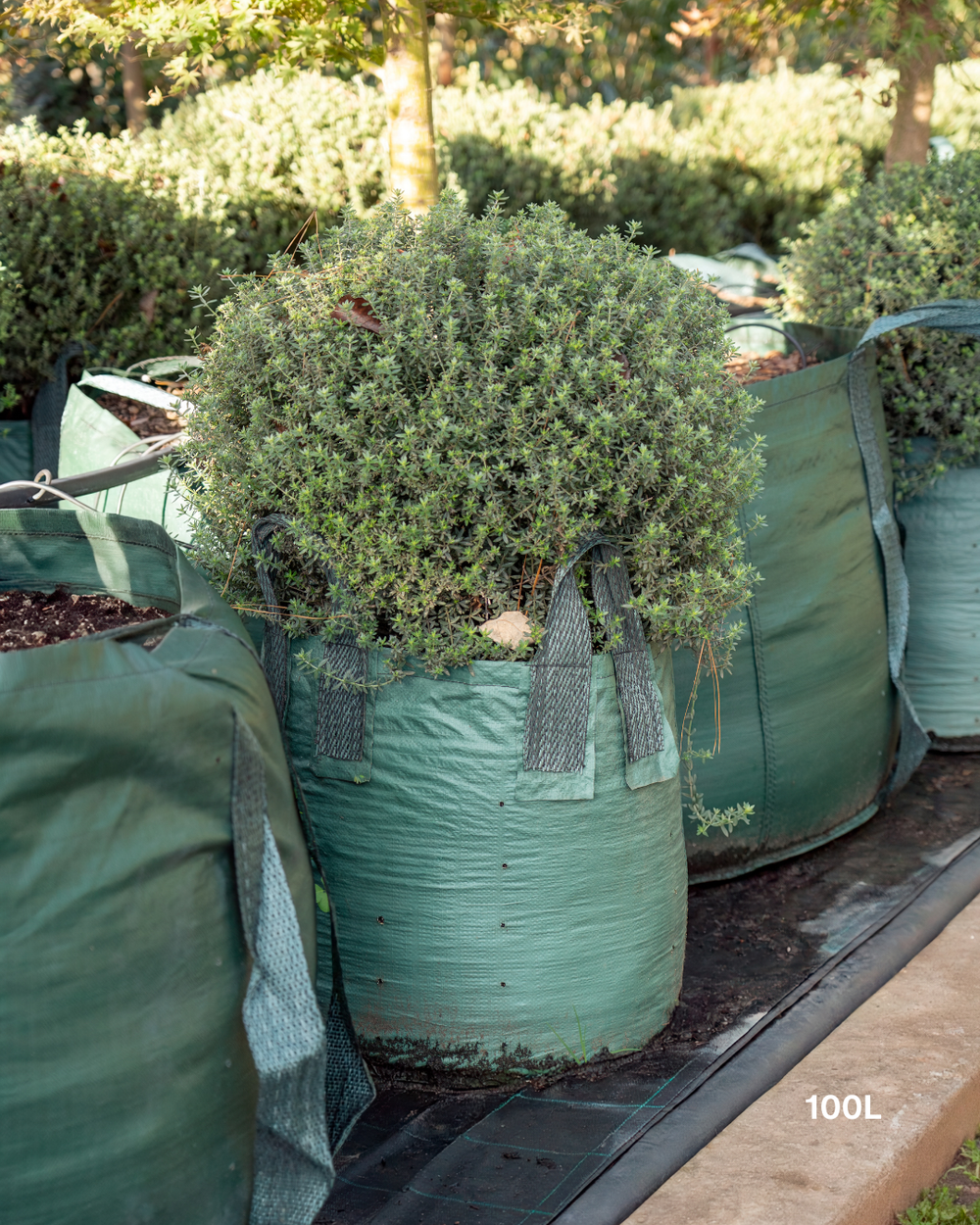
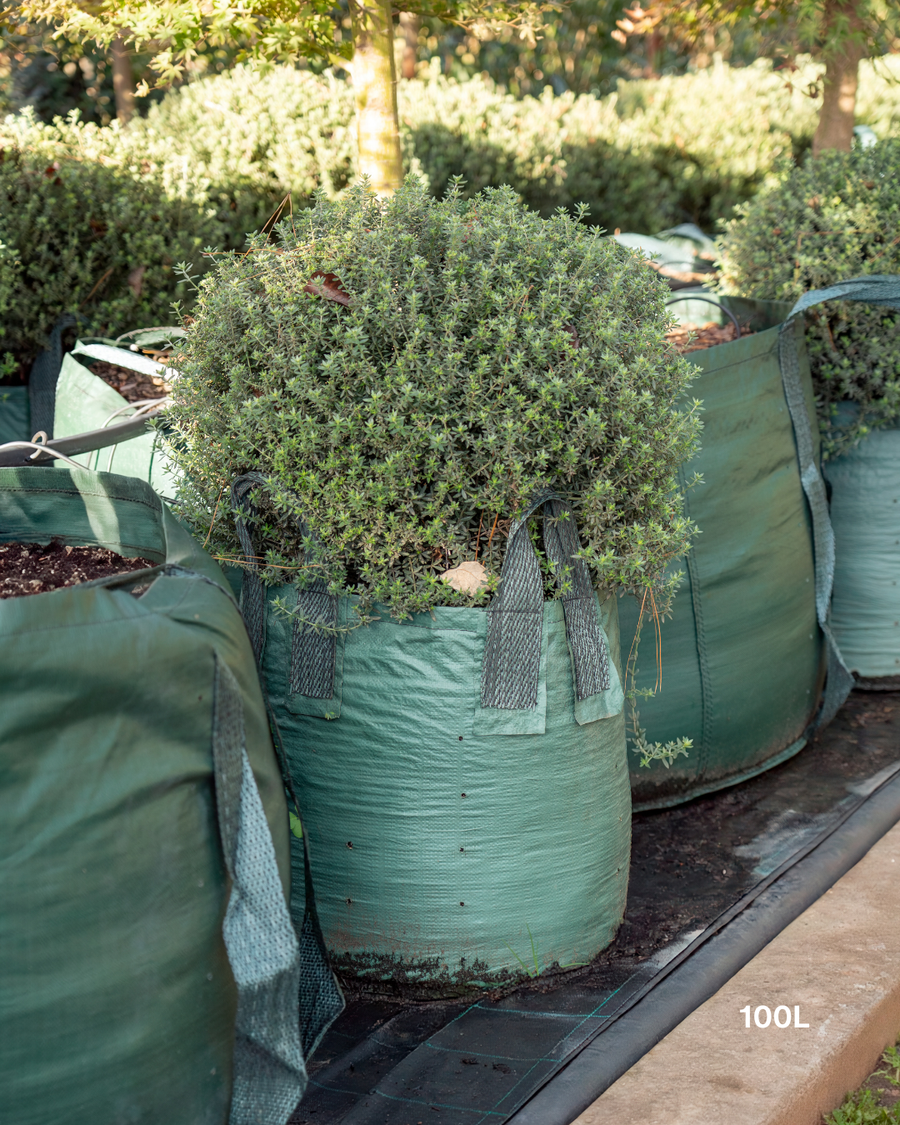
Size: 90L/100L
Current height guide
Please enquire
Pot size
90L/100L

Approximate only. Minimum height important? Confirm with us.

Height guide disclaimer: Height ranges are approximate only. As living products, plant heights naturally vary between individual plants, batches, and seasons. No guarantee is given that supplied plants will fall within the stated range. If minimum heights are required, you mustconfirm current batch heights with Evergreen Trees Direct prior to purchase. Variation in height is normal and is not grounds for return, refund, replacement, or compensation.

03 How many trees?

Order multiple sizes

Mix pot sizes and batches in one order.

Size / batchEachQuantity
30cm/33cmApprox. height: Enquire for current heights$190.00
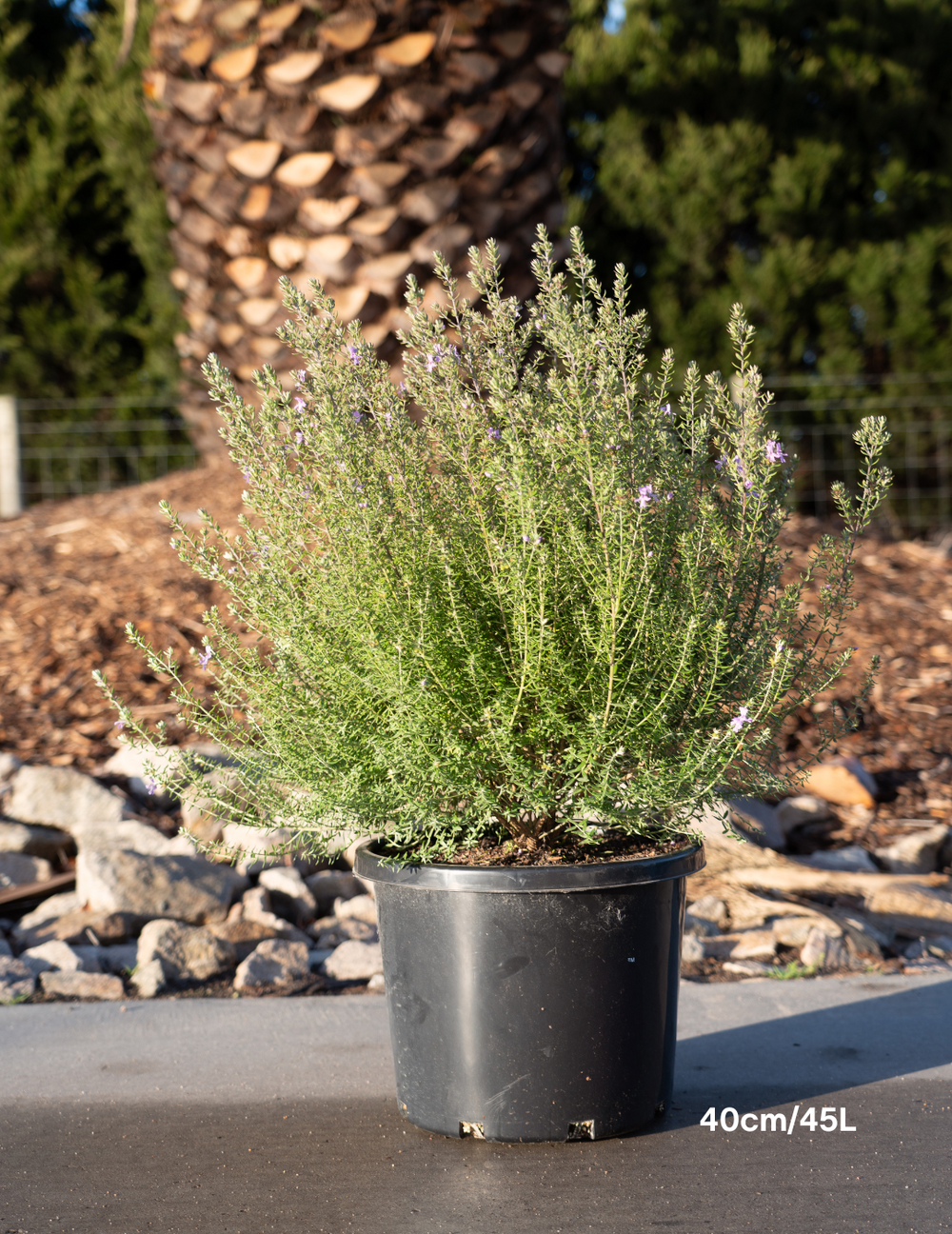
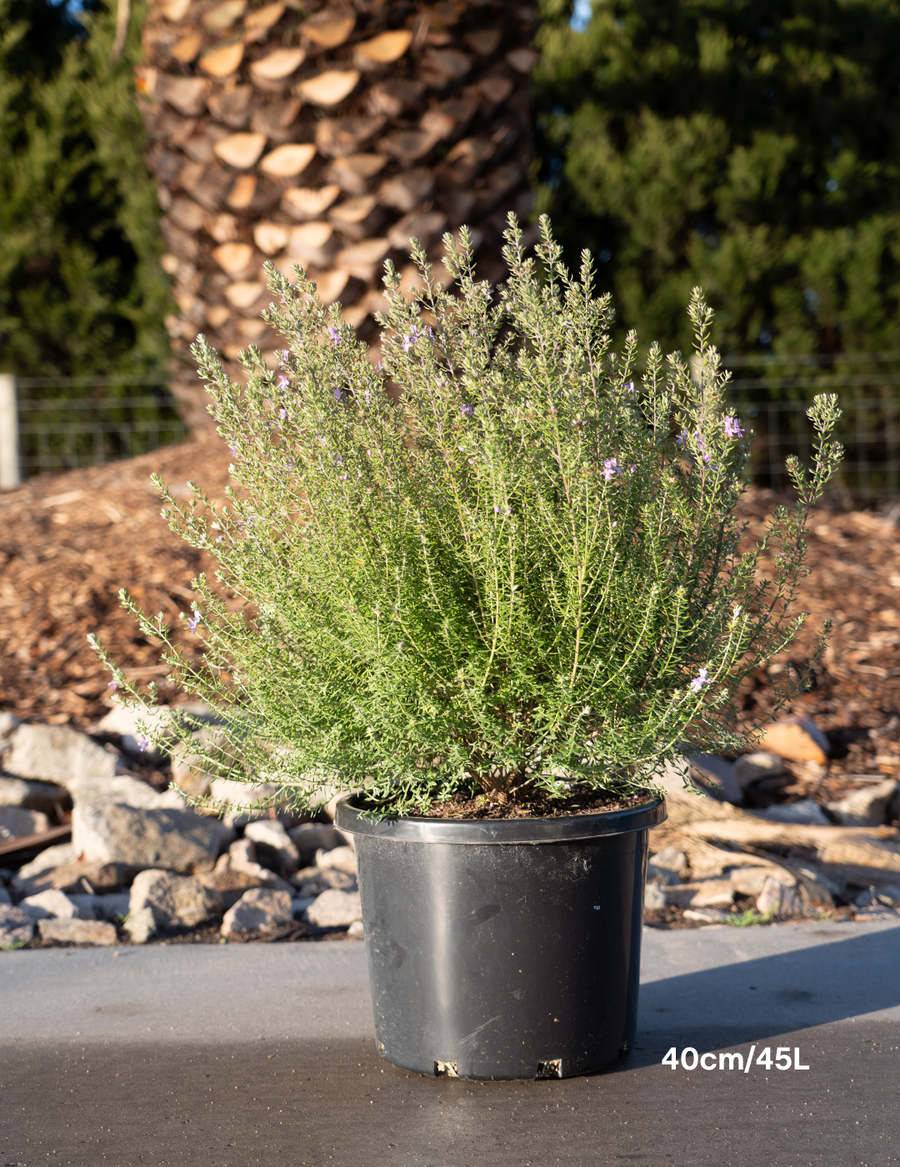
40cm/45LApprox. height: Enquire for current heights$280.00
50cm/75LApprox. height: Enquire for current heights$440.00
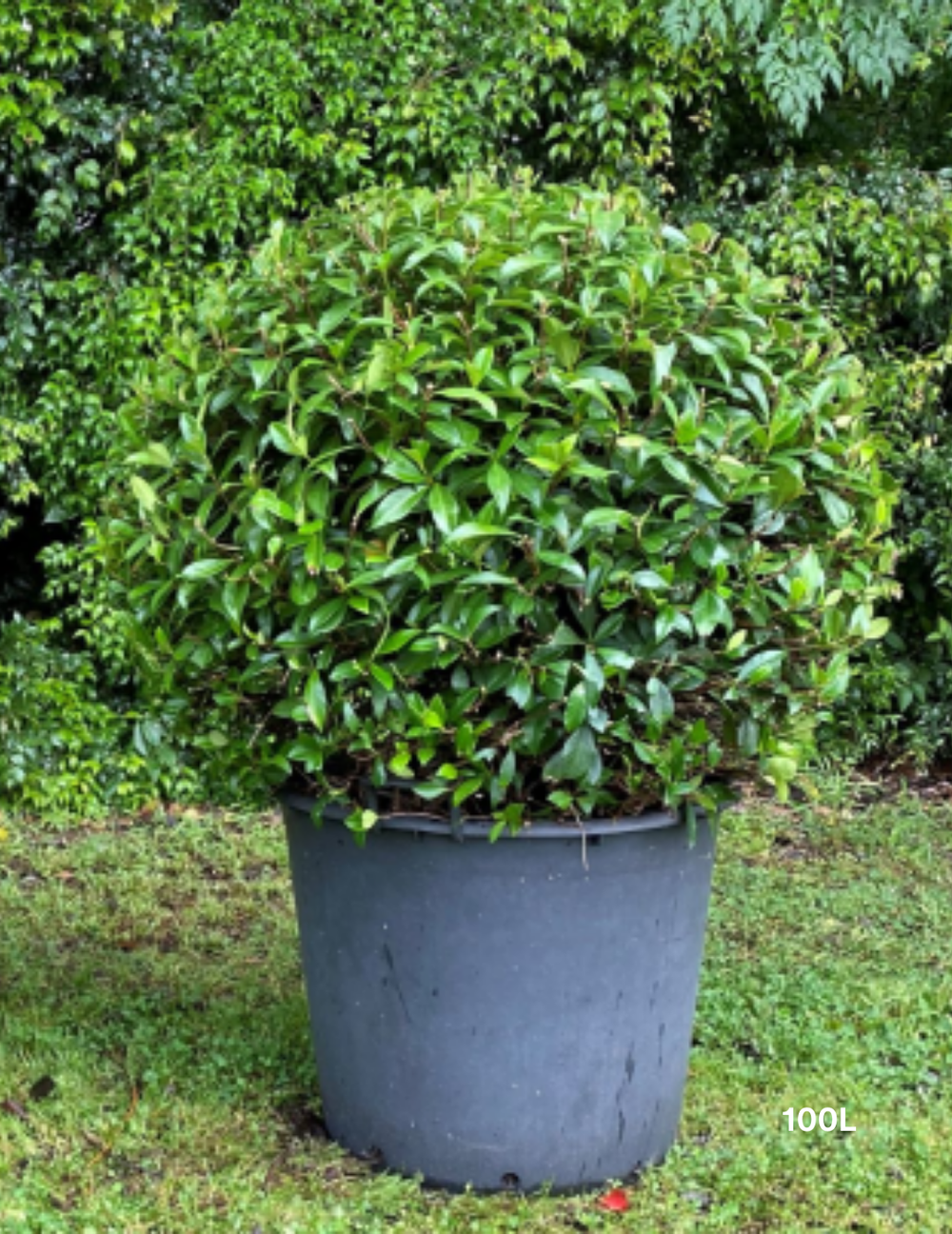
90L/100LApprox. height: Approx. 2.0m – 2.5m$810.00

Height guide disclaimer: Height ranges are approximate only. As living products, plant heights naturally vary between individual plants, batches, and seasons. No guarantee is given that supplied plants will fall within the stated range. If minimum heights are required, you mustconfirm current batch heights with Evergreen Trees Direct prior to purchase. Variation in height is normal and is not grounds for return, refund, replacement, or compensation.

Subtotal before discounts & delivery$0.00

Delivery is calculated at checkout.

Ask a question

The fields marked * are required.

About Citrus × microcarpa

Citrus x microcarpa, the Calamondin Cumquat, is a compact evergreen citrus carrying small round orange fruit and fragrant white flowers. Leaves are small, glossy and dark green, and the habit is upright and well branched without much help. It is as much an ornamental shrub as it is a fruit tree.

Full sun and a fertile, free draining soil give the best crop, with steady water while the fruit is filling. Warm temperate, subtropical and Mediterranean climates suit it, including protected coastal sites. Growth runs 20 to 60 centimetres a year. Young trees are frost sensitive, though established plants take light frost.

It works in an edible garden, a courtyard, a run of pots along a warm wall, or a planter outside a cafe where the fruit does double duty as decoration. The fruit is sour raw but excellent in marmalade, cordial and cooking. One established tree crops heavily enough for a household.

Frequently Asked Questions

About Calamondin Cumquat

What is a Calamondin Cumquat?

Calamondin Cumquat, Citrus x microcarpa, is a compact evergreen citrus understood to be a natural cross between a mandarin and a kumquat. It carries small round orange fruit about the size of a walnut alongside fragrant white flowers. The fruit is sour eaten raw and is normally used for marmalade, cordials, curd and cooking.

How big does a Calamondin Cumquat grow?

In the ground it makes a rounded shrub or small tree around 2 to 3 metres tall and 1.5 to 2 metres wide. In a large pot it will settle at about 1.5 metres, with the container doing most of the limiting. A light prune after harvest keeps it compact and easy to pick.

When does it flower and fruit?

Flowering runs through spring and summer, and the fruit colours from autumn and holds on the tree through winter. Established trees often carry flowers and ripe fruit at the same time, which is part of why the plant is grown ornamentally. Ripe fruit hangs well for weeks, so you can pick as you need it.

Can I grow a cumquat in a pot?

Yes, it is one of the better citrus for containers. Use a pot at least 50 centimetres wide with a free draining citrus mix, keep it in full sun, and water regularly because pots dry out fast in summer. Feed with a citrus fertiliser in early spring and again in late summer, and repot every three years.

Does it need full sun?

Full sun gives the best crop and the densest growth, with six hours of direct light the practical minimum. It will survive in part shade, but flowering and fruit set drop away noticeably. A position against a north facing wall works well in cooler districts, since the reflected warmth helps the fruit finish properly.

Is it frost tolerant?

Young trees are frost sensitive and should be sheltered, or grown in a pot that can be moved. Established trees handle light frost, and calamondin is among the more cold tolerant citrus, but hard or repeated frost will damage foliage and fruit. In cold districts plant clear of cold air drainage lines and against a warm wall.

How do I care for a Calamondin Cumquat?

Water deeply and regularly, especially while fruit is filling. Feed with a citrus fertiliser in early spring and again in late summer, and keep mulch clear of the trunk. Prune lightly after harvest to keep the centre open, and remove any shoots below the graft. Watch for citrus leafminer on soft summer growth and scale on shaded branches.


Foliage

Evergreen (foliage year round)

Position
  • Full Sun
Form
  • Rounded
  • Compact
Use
  • Edible Garden

Planting Information

How To Plant Your Calamondin Cumquat – Calamondin Citrus Tree

Site: Choose a well-drained position in full sun to part shade with room for the canopy to develop.

Soil preparation: Enrich the planting area with quality compost and aged manure for a strong establishment phase.

Hole: Dig twice as wide as the root ball and the same depth.

Planting: Position level with the surrounding soil, backfill gently, firm in, then water deeply to settle the roots.

Recommended Planting Spacing For Your Calamondin Cumquat – Calamondin Citrus Tree

Feature tree: 3 to 4 metres apart to allow the full canopy and form to develop.

Avenue planting: 3 metres apart for a uniform soft-textured avenue.

Calamondin Cumquat – Calamondin Citrus Tree is expected to grow 20cm to 60cm per year under suitable conditions.

  • Medium Growth Rate

Long Term Care For Your Calamondin Cumquat – Calamondin Citrus Tree

Watering: Water deeply twice weekly through the first 12 months. Once established, reduce to once weekly in dry periods. Mulch helps maintain consistent moisture.

Mulching: Apply a 5 to 7 centimetre layer of organic mulch over the root zone, keeping it 5 centimetres clear of the trunk.

Pruning: Minimal pruning required. Light tip prune in late winter to maintain shape if used as hedging or screening. For a clear trunk feature, remove lower branches as the tree grows.

Fertilising: Apply a slow-release general-purpose fertiliser in early spring and again in autumn for steady growth and consistent foliage colour.

Pest and disease: Hardy against most pests and diseases. Occasional scale or caterpillar inspection in warm humid conditions is all that's needed.

Planting Your Calamondin Cumquat – Calamondin Citrus Tree in Different Soil

Calamondin Cumquat Calamondin Citrus Tree performs best in well-drained loam or sandy loam with a slightly acidic to neutral pH. Adaptable to a wide range of soils when drainage is improved with organic matter.

Sandy soil: Free-draining and ideal. Mulch well to maintain consistent moisture.

Clay soil: Improve drainage with gypsum and organic compost before planting.

Loam: The preferred soil for steady root development and consistent growth.

pH: Slightly acidic to neutral preferred. Mulch with composted leaf litter to maintain levels naturally.

Uses in my Garden

Uses in my Garden

  • Edible Garden

Calamondin Cumquat – Calamondin Citrus Tree works in an:

  • Mediterranean Style Garden – timeless courtyard look with stone, pots, and bold greenery.
  • Contemporary / Architectural Garden – striking forms for bold design statements.

Is Calamondin Cumquat – Calamondin Citrus Tree Evergreen or Deciduous?

Calamondin Cumquat – Calamondin Citrus Tree is an Evergreen (foliage year round) Tree

Mature Height & Width

Mature Height: 2m to 4m

Mature Width: 2m to 3m

Calamondin Cumquat – Calamondin Citrus Tree is expected to grow 20cm to 60cm per year under suitable conditions.

Growth Rate of Calamondin Cumquat – Calamondin Citrus Tree

Calamondin Cumquat – Calamondin Citrus Tree is expected to grow 20cm to 60cm per year under suitable conditions.

They are considered to have a:

  • Medium Growth Rate

Frost Tolerance & Ideal Climate to plant Calamondin Cumquat – Calamondin Citrus Tree

Is Calamondin Cumquat – Calamondin Citrus Tree frost tolerant?

Calamondin Cumquat – Calamondin Citrus Tree is Frost Tolerant – Can handle light to moderate frost once established.

Does Calamondin Cumquat – Calamondin Citrus Tree Flower?

Calamondin Cumquat produces masses of fragrant white flowers through spring and summer, often followed by small round orange edible fruit on mature plants. The blooms and colourful fruit create a highly ornamental display against the glossy evergreen foliage while also providing excellent edible value.

Does Calamondin Cumquat – Calamondin Citrus Tree flower?

  • Yes - Flowers

Flowering Period:

  • Spring
  • Summer

Flower Type:

  • Fragrant

Flower Colour:

White

Is Calamondin Cumquat – Calamondin Citrus Tree an Australian Native Tree?

No

Calamondin Cumquat – Calamondin Citrus Tree is Native to Cultivated citrus hybrid originating from Southeast Asia and widely grown as an ornamental edible citrus.

What is the Wildlife Value of Calamondin Cumquat – Calamondin Citrus Tree ?

Its fragrant flowers attract bees and other beneficial pollinators throughout the flowering season, supporting biodiversity within edible and ornamental gardens. The dense evergreen foliage also provides light shelter and habitat for beneficial insects and small birds year-round.

How much Sunlight does Calamondin Cumquat – Calamondin Citrus Tree need?

Calamondin Cumquat – Calamondin Citrus Tree will thrive best in:

  • Full Sun

Preferred Soil?

Calamondin Cumquat performs best in rich, well-drained loam or sandy soils with a neutral to slightly acidic pH. It will also tolerate a range of general garden soils provided drainage remains reliable and organic matter is incorporated to support fertility and moisture retention. Avoid heavy clay or persistently wet conditions, as poor drainage can reduce root health and fruiting performance. Keep soil evenly moist during active growth and fruit development for best results.

Is Calamondin Cumquat – Calamondin Citrus Tree Drought Tolerant?

Is Calamondin Cumquat – Calamondin Citrus Tree Drought tolerant?

As a young tree it benefits from regular watering to establish a healthy productive root system, particularly during warmer weather. Once established, Calamondin Cumquat shows moderate drought tolerance but performs best with consistent moisture to support reliable flowering, fruit production and healthy foliage growth.

Frequently Asked Questions

Frequently Asked Questions

Q: Is Calamondin Cumquat edible?
A: Yes, the fruit is commonly used in cooking, drinks, preserves, and garnishes.

Q: Is it suitable for pots?
A: Yes, its compact growth habit makes it ideal for container planting.

Q: Does it require full sun?
A: Yes, full sun encourages stronger flowering and fruit production.

Q: Is it ornamental as well as productive?
A: Yes, it is highly valued for both decorative fruit and evergreen foliage.

Compare sizes

30cm/33cm

Enquire for current heights

40cm/45L

Enquire for current heights

50cm/75L

Enquire for current heights

90L/100L

Approx. 2.0m – 2.5m

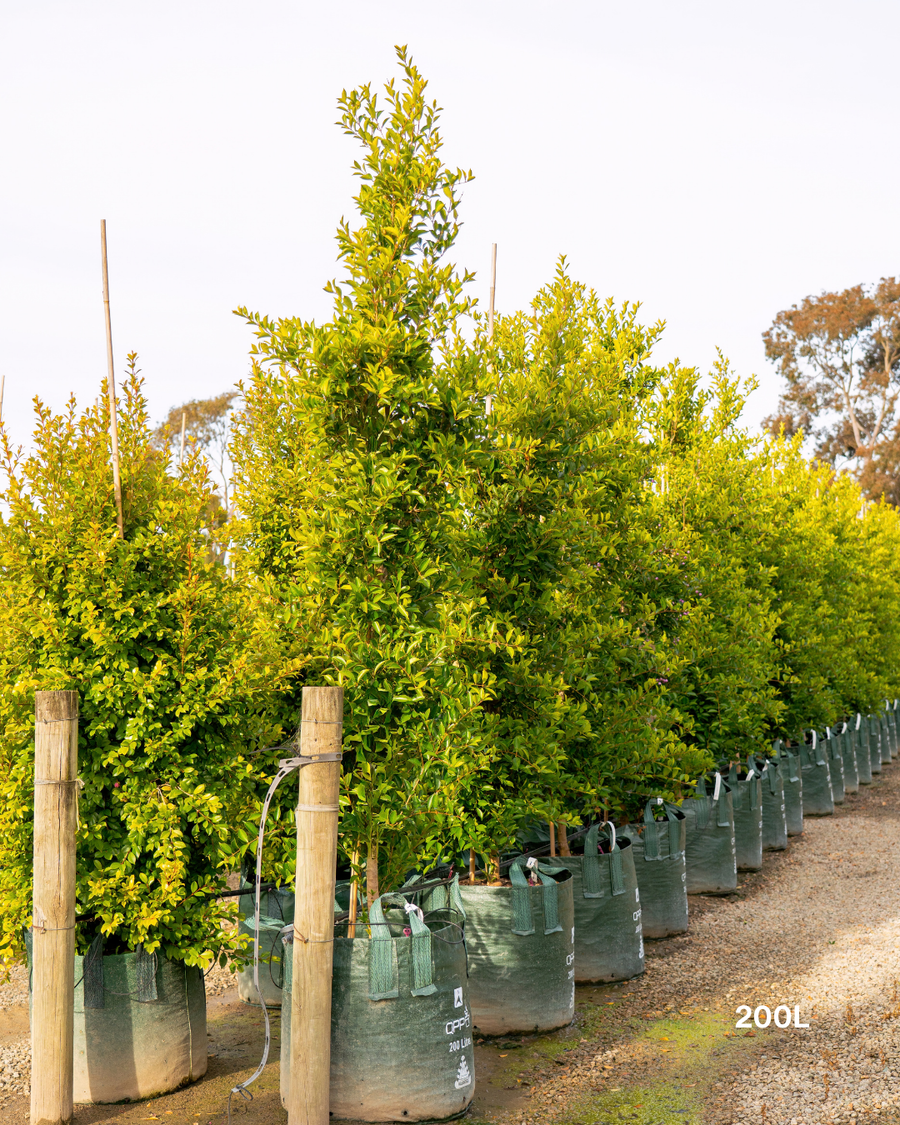
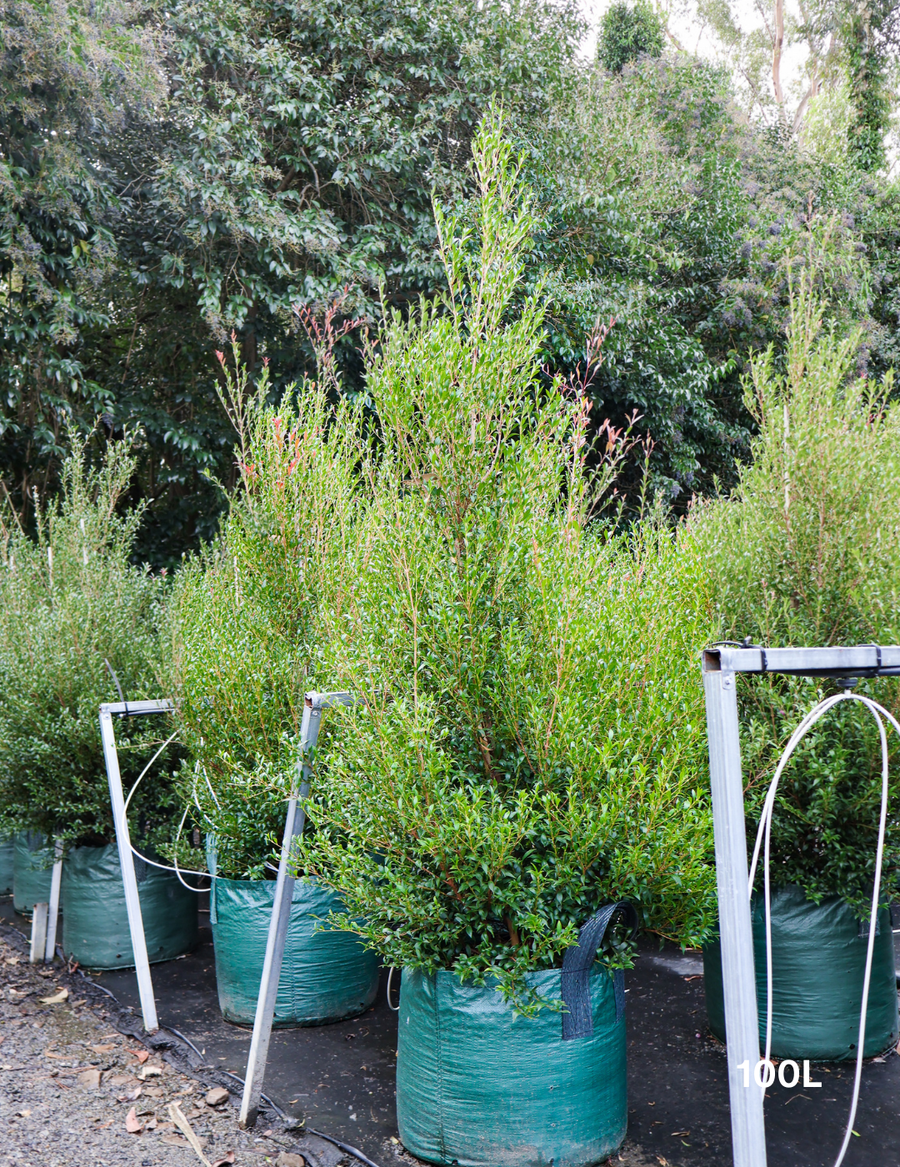
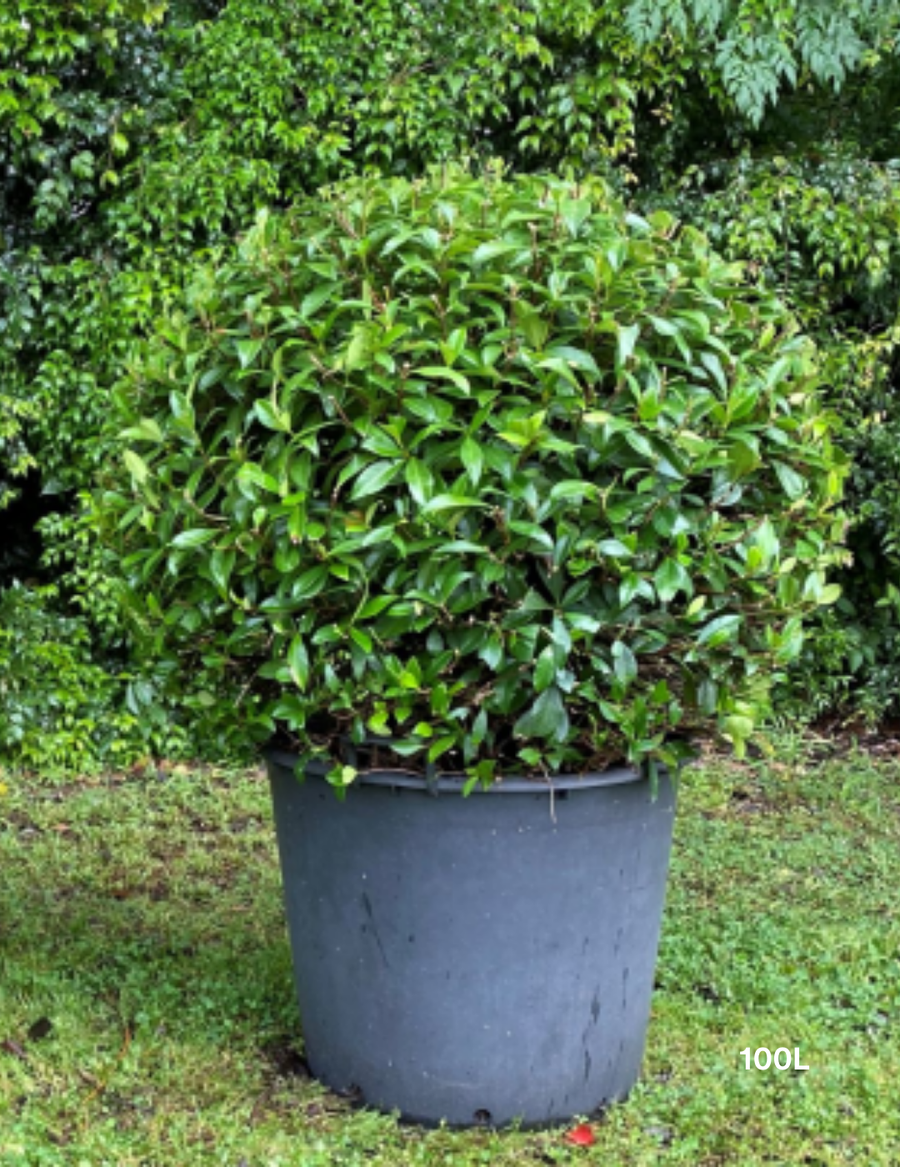
Photographs are not to scale. Heights are approximate and vary between individual trees.

Citrus × microcarpa is loved for its Compact evergreen habit and vibrant orange fruit provide year-round ornamental and edible garden value.

We take pride in supplying A+ grade advanced trees. When stock at our farm is not yet ready, we work with our trusted trade suppliers to source the best available trees for your garden.
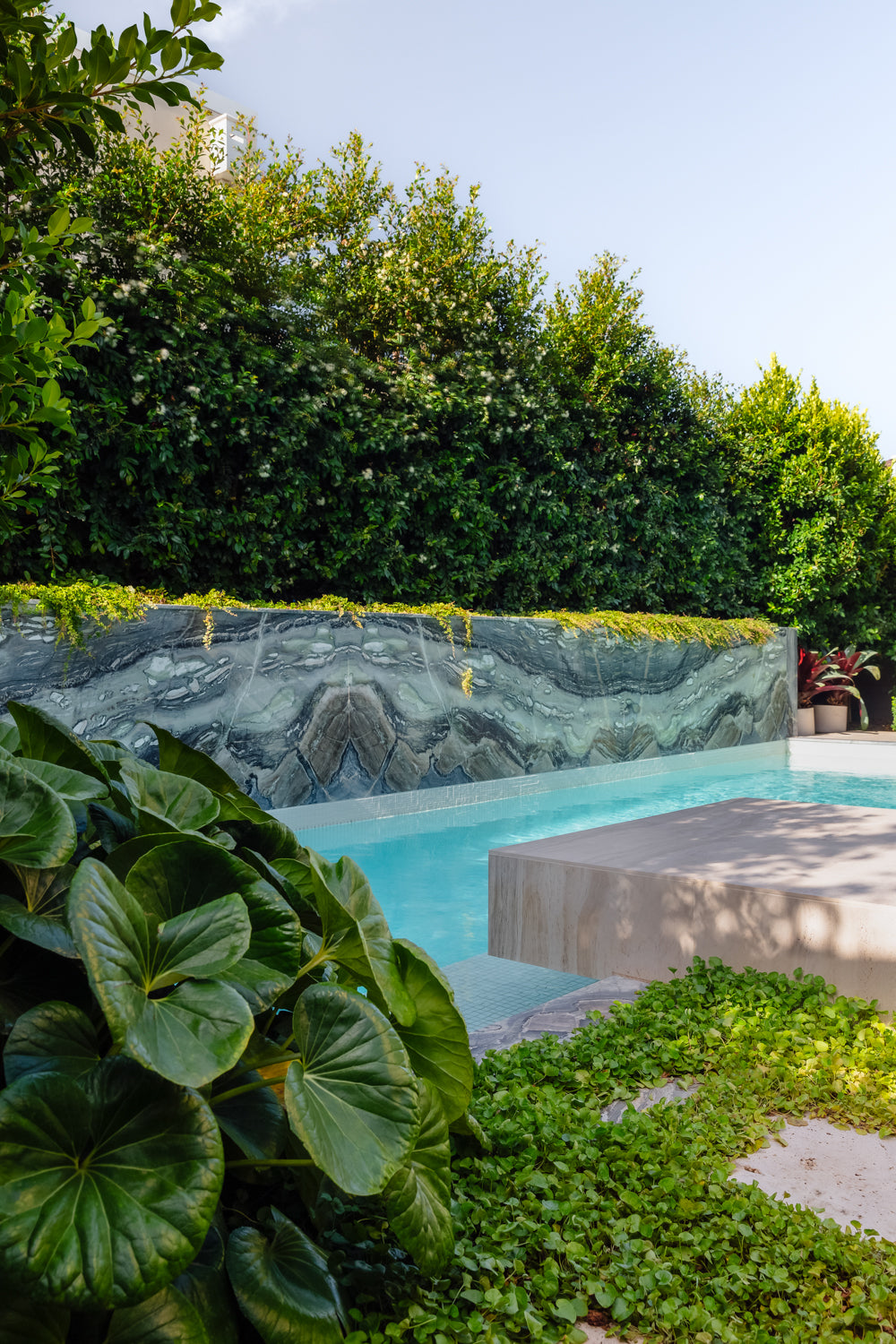
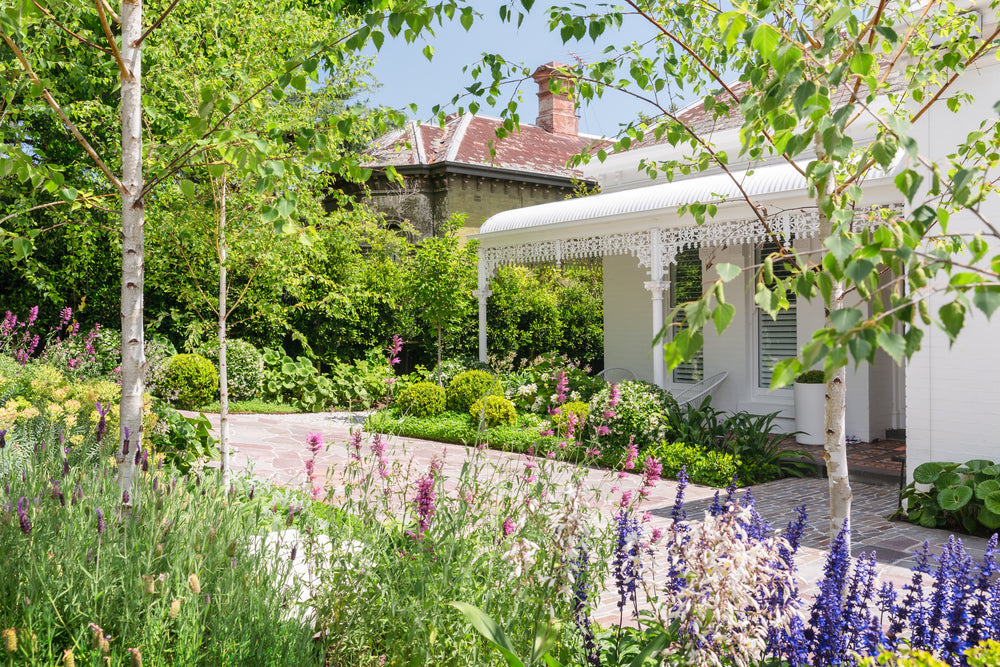
Plant Your Calamondin Cumquat – Calamondin Citrus Tree With:

Acmena smithii 'Firescreen' - Lilly Pilly

Acmena smithii 'Firescreen' is a fast-growing Australian native lilly pilly selected for its brilliant red new growth, which flushes repeatedly through the warmer months against dense glossy green mature foliage. As an Acmena it is naturally resistant to psyllid, so the foliage stays clean without spraying.

'Firescreen' grows to 4 to 5 metres tall and 2 to 3 metres wide with a naturally dense upright habit that fills in from ground level. Growth is quick at 50 to 90 centimetres per year once established, which makes it one of the faster ways to build a solid privacy screen along a boundary or between neighbouring houses.

'Firescreen' performs across most of the Australian east coast and southern states, from tropical Queensland through to Melbourne and Adelaide. It handles full sun to part shade, tolerates light to moderate frost once established, and responds well to trimming, so it can be run as a loose screen or clipped into a formal hedge.

Frequently Asked Questions

About Acmena smithii 'Firescreen'

How tall does Acmena smithii 'Firescreen' grow?

'Firescreen' grows to 4 to 5 metres tall and 2 to 3 metres wide when left unpruned. It is easily maintained at 2 to 3 metres as a trimmed hedge, and holds its density right down to ground level.

How fast does 'Firescreen' grow?

'Firescreen' is fast-growing, adding 50 to 90 centimetres per year once established. In good soil with regular water through the first two summers it will form a usable screen within two to three years.

Is 'Firescreen' psyllid resistant?

Yes. 'Firescreen' is an Acmena, and Acmena species are naturally resistant to the psyllid that causes pimple-like galls on many Syzygium lilly pillies. This is the main reason it is chosen for large hedge runs.

How far apart should I plant 'Firescreen' for a hedge?

Plant 1 to 1.5 metres apart for a dense informal screen, or 80 centimetres apart for a tighter formal hedge. For an avenue effect allow 3 metres between plants.

Is 'Firescreen' frost tolerant?

'Firescreen' handles light to moderate frost once established. In colder inland districts protect young plants through their first winter, after which they harden off and cope with regular frost.

Where does 'Firescreen' grow best in Australia?

'Firescreen' performs from tropical and subtropical Queensland through coastal and inland New South Wales, Melbourne and surrounds, Gippsland, the Western District and Adelaide. It is one of the more climate-adaptable lilly pillies.

When and how should I prune 'Firescreen'?

Trim two to three times through the growing season to build density and keep lines crisp. Each cut triggers a fresh flush of red new growth, so regular light pruning gives more colour rather than less.

youtube Load video:

Evergreen Trees Direct Has Been Featured In:

Perfect Substitutes for Calamondin Cumquat – Calamondin Citrus Tree

Follow Us On Instagram

@evergreentreesdirect ↗
Evergreen Trees DirectEvergreen Trees DirectEvergreen Trees DirectEvergreen Trees DirectEvergreen Trees Direct
youtube Load video: