



Skip to content

VOLUME DISCOUNTS APPLY AUTOMATICALLY AT CHECKOUT.

All stock is grown, maintained and graded in strict accordance with AS 4373-2007, Australian Standard for Nursery Stock.

Unique Feature Trees We're Loving Right Now

Unique Feature Trees We're Loving Right Now

Six standout feature trees for immediate landscape impact. Magnolia 'Coolwyn Gloss', Brachychiton rupestris, Acer palmatum 'Atropurpureum', Cercis 'Forest Pansy', Ginkgo biloba and Olea 'Manzanillo' - all available in advanced sizes.


Advanced SizesBottle TreeFeature TreesJapanese MapleMagnoliaStatement Trees

Some feature trees deliver instant character. Others ask you to wait years for the form to develop. The nine standouts in this guide do both - they look striking from day one in advanced sizes, and they keep getting better as the landscape matures around them.

Each tree in this guide is chosen on three criteria: sculptural form or distinctive foliage, year-round presence (or dramatic seasonal transformation), and availability in advanced sizes ready to plant for immediate impact. The mix covers evergreen and deciduous, Australian native and Mediterranean, ornamental and edible, plus hand-trained topiary specimens - so there is something for every garden style.

The nine unique feature trees we recommend

Each tree below appears as a numbered card beneath this guide, with mature size, foliage characteristics, and the specific reason it stands out. Tap any plant name to head straight to the product page.

  • Magnolia 'Coolwyn Gloss' - The glossiest evergreen Magnolia. Mirror-finish dark green leaves on an upright dense form. Best for formal feature trees and driveway statements.
  • Brachychiton rupestris (Queensland Bottle Tree) - Sculptural Australian native with a swollen bottle-shaped trunk. No two specimens are alike. Best for contemporary native and dry-garden landscapes.
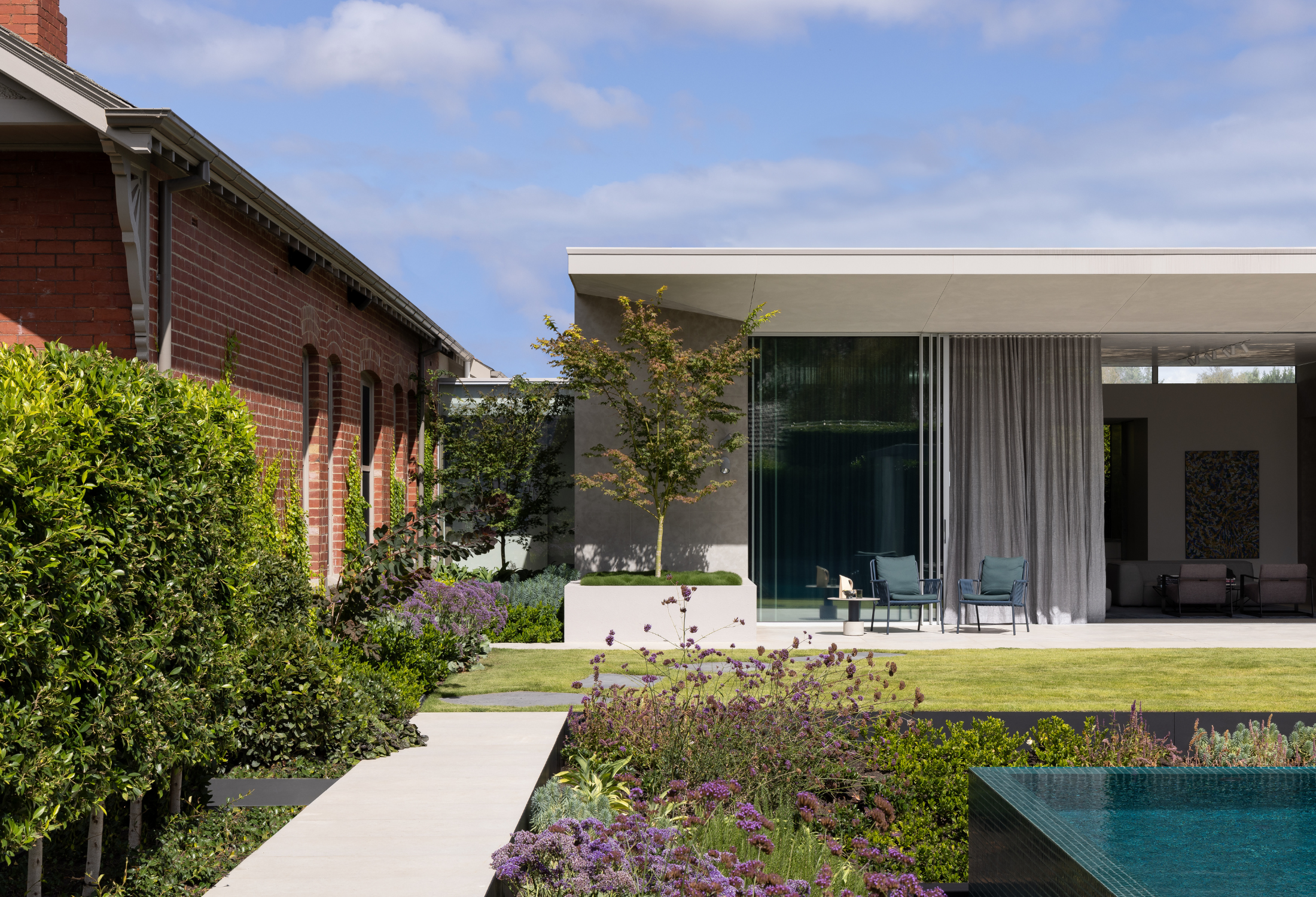
  • Acer palmatum (Japanese Maple) - The classic green-leaved Japanese Maple species. Layered architectural branching with brilliant red, orange and gold autumn colour. Best for sheltered courtyards and entry features.
  • Cercis canadensis 'Forest Pansy' - Heart-shaped purple foliage plus magenta-pink spring flowers on bare branches. Best for residential feature beds and mixed borders.
  • Ginkgo biloba (Maidenhair Tree) - One of the oldest tree species on earth with brilliant butter-yellow autumn colour. Best for generational planting and urban avenues.
  • Olea europaea 'Manzanillo' (Olive) - Mature olives bring sculptural Mediterranean character. Best for contemporary courtyards and statement feature planting.
  • Morus nigra (Black Mulberry) - Long-lived deciduous shade tree with edible deep purple-black summer fruit. Best for generational planting with kitchen-garden character.
  • Podocarpus falcatus Clouds - Hand-trained cloud-pruned topiary built up over years of patient sculpting. Each specimen is one of a kind. Best for statement formal entries, courtyards, and contemporary landscapes.
  • Juniperus 'Spartan' Triple Balls - Three stacked clipped balls on a standard stem - hand-trained topiary years in the making. Best for matched pairs framing doorways, driveways, and feature entries.

How to choose at a glance

If you know what you are looking for, this is the fastest way to decide which feature tree suits your garden:

Compare at a glance

CultivarHeightWidthFormFoliageBest if you…
Magnolia grandiflora 'Coolwyn Gloss'
Coolwyn Gloss Magnolia
5 to 7m3 to 4mUpright with dense rounded crownGlossy dark green with russet undersidesFeature planting, screens, formal gardens. Can be pruned to desired height.
Brachychiton rupestris
Queensland Bottle Tree
8 to 12m4 to 6mBottle-shaped trunk with rounded crownSoft green semi-deciduousStatement planting, dry gardens, contemporary landscapes.
Acer palmatum
Japanese Maple
4 to 6m3 to 4mLayered branching with rounded crownGreen palmate leaves, brilliant red, orange and yellow in autumnCourtyards, sheltered feature positions, high-contrast planting.
Cercis canadensis 'Forest Pansy'
Forest Pansy
4 to 6m3 to 5mSpreading multi-stemmedDeep purple heart-shaped, crimson in autumnFeature beds, mixed borders, residential gardens.
Ginkgo biloba
Maidenhair Tree
10 to 20m5 to 10mUpright spreadingFan-shaped green leaves turning butter yellow in autumnAvenue planting, urban feature trees, parkland.
Olea europaea 'Manzanillo'
Manzanillo Olive
5 to 7m4 to 5mRounded crown with gnarled trunk over timeSilver-green leathery foliageMediterranean gardens, contemporary landscapes, statement feature trees.
Morus nigra
Black Mulberry
6 to 10m (can be pruned to desired height)5 to 8mSpreading rounded canopy, gnarled trunk with ageHeart-shaped green, butter yellow in autumnLarger gardens wanting a long-lived deciduous shade tree with edible character. Generational planting.
Podocarpus falcatus Clouds
Cloud-Pruned Podocarpus
2 to 4m (size depends on stock)1.5 to 3mCloud-pruned topiary - multiple sculpted spherical layersSoft fine needle-like, dark greenFormal entries, courtyards, and contemporary landscapes where a statement sculptural feature matters.
Juniperus virginiana 'Spartan' Triple Balls
Spartan Triple Balls Topiary
1.5 to 2.5m (size depends on stock)0.6 to 1mThree stacked clipped balls on a clear standard stemDense fine dark green conifer foliageFormal entries, doorways, courtyards, and matched-pair framing of significant garden features.
Sculptural form or distinctive trunk
The most memorable feature trees have something the eye keeps returning to - the bottle trunk of the Brachychiton, the gnarled trunk of a mature Olive, the layered branching of an Acer. Form matters as much as foliage.
Year-round presence OR dramatic seasonal change
Evergreens (Coolwyn Gloss, Olive) deliver constant year-round structure. Deciduous (Acer, Forest Pansy, Ginkgo) deliver dramatic seasonal transformation - spring flowers, summer colour, brilliant autumn display, sculptural winter branches. Both have a place.
Available in advanced sizes
A feature tree should look fully formed from day one. Advanced sizes (200L, 400L, even 1000L) give you decades of presence at planting without waiting for a young tree to mature. This is the difference between landscape impact next year and landscape impact in a decade.
Distinctive foliage colour or texture
Burgundy (Acer, Forest Pansy), silver-grey (Olive), fan-shaped gold (Ginkgo), high-gloss dark green (Coolwyn Gloss) - the foliage should provide ongoing contrast against companion plants and surrounding architecture.
Reliable in Australian conditions
Each tree in this guide is proven in Australian climates - tested through hot summers, cool winters, drought conditions, and variable rainfall. These are not experimental imports - they are nursery standards selected for the conditions you actually have.
Builds value over time
A great feature tree gets more interesting every year - the trunk thickens, the form fills out, the patina develops. Plant a feature tree as a long-term investment in your landscape, not as a quick decoration.

1. Magnolia grandiflora 'Coolwyn Gloss' (Coolwyn Gloss Magnolia)

Magnolia 'Coolwyn Gloss' is the glossiest of all evergreen Magnolias - mirror-finish dark green leaves that catch and reflect light like polished glass. As a feature tree it offers year-round dense canopy, fragrant white summer flowers, and a clean upright habit ideal for formal driveways or focal points. Available in advanced sizes (200L+) for immediate landscape impact - the kind of refinement that usually takes years to develop, ready from day one.

Type
Evergreen feature tree
Height
5 to 7m
Width
3 to 4m
Growth rate
Moderate
Foliage
Glossy dark green with russet undersides
Flowers
Large fragrant white blooms through summer
Form
Upright with dense rounded crown
Conditions
Full sun to part shade, well-drained soil
Maintenance
Light prune after flowering
Best for
Feature planting, screens, formal gardens. Can be pruned to desired height.

Why choose it

The highest leaf gloss of any evergreen Magnolia gives Coolwyn Gloss its signature refined look. Year-round dense canopy plus fragrant white summer flowers. Available in advanced sizes for immediate impact.

Perfect pair

Pair Coolwyn Gloss as the formal feature with a Bay 'Miles Choice' or Portuguese Laurel hedge as the supporting screen.

Tips for planting

Plant in full sun to part shade in well-drained, slightly acidic soil. Water deeply through the first two summers. Mulch generously out to the dripline. Avoid hot west-facing positions with reflected heat.

Immediate impact in advanced sizes.

Shop Magnolia grandiflora 'Coolwyn Gloss'

2. Brachychiton rupestris (Queensland Bottle Tree)

Brachychiton rupestris is one of the most sculptural Australian native feature trees available. The swollen bottle-shaped trunk grows broader and more characterful with age, and no two specimens are ever alike. Drought-tolerant once established and remarkably long-lived. In advanced sizes the trunk already shows real character, and from there it just keeps developing. The signature feature tree for contemporary native and dry-garden landscapes.

Type
Evergreen native feature tree
Height
8 to 12m
Width
4 to 6m
Growth rate
Slow
Foliage
Soft green semi-deciduous
Form
Bottle-shaped trunk with rounded crown
Conditions
Full sun, well-drained soil, exceptional drought tolerance
Maintenance
Very low once established
Best for
Statement planting, dry gardens, contemporary landscapes.

Why choose it

No two Bottle Trees look the same - each specimen develops its own personality through the shape and bulge of the trunk. Sculptural Australian native that gets more interesting with age. Remarkably drought tolerant once established.

Perfect pair

Plant the Bottle Tree as the sculptural feature with a low Westringia or Murraya hedge as the formal supporting layer.

Tips for planting

Plant in full sun in well-drained soil. Allow space for the trunk to expand at maturity. Water moderately through establishment. Established trees handle 30°C and above without supplementary watering.

Each tree is one of a kind.

Shop Brachychiton rupestris

3. Acer palmatum (Japanese Maple)

Acer palmatum is the classic green-leaved Japanese Maple species - finely lobed bright green palmate foliage that holds clean colour through spring and summer, then transforms into brilliant red, orange and gold for one of the most dramatic autumn displays in cultivation. The layered branching structure becomes more architectural with age, giving year-round structural interest even when bare in winter. In advanced sizes (400 to 500L+) the layered branching is already developed, so the tree looks fully formed from day one. Ideal courtyard, entry, or sheltered feature position.

Type
Deciduous feature tree
Height
4 to 6m
Width
3 to 4m
Growth rate
Moderate
Foliage
Green palmate leaves, brilliant red, orange and yellow in autumn
Form
Layered branching with rounded crown
Conditions
Part shade, sheltered position, moist well-drained soil
Maintenance
Light prune in late winter
Best for
Courtyards, sheltered feature positions, high-contrast planting.

Why choose it

Bright green palmate foliage with brilliant autumn red, orange and gold colour change. Layered architectural branching becomes more characterful with age. The classic species Japanese Maple - the original form from which all the cultivars descend.

Perfect pair

Pair Acer palmatum as the deciduous feature with a Camellia sasanqua or Buxus hedge as the evergreen backdrop.

Tips for planting

Plant in part shade with afternoon protection - direct hot sun can scorch the foliage. Use moist, well-drained soil with consistent watering through establishment. Mulch heavily to keep roots cool. Light prune in late winter only if shaping is needed.

Burgundy that holds all season.

Shop Acer palmatum

4. Cercis canadensis 'Forest Pansy' (Forest Pansy)

Cercis canadensis 'Forest Pansy' is one of the most luminous deciduous feature trees available. The heart-shaped foliage emerges deep purple in spring, holds rich colour through summer, and finishes crimson in autumn. Before the leaves emerge, magenta-pink pea flowers appear directly on the bare branches in early spring - a striking display unique to the Cercis family. Multi-stemmed spreading habit and moderate mature size suit residential gardens, mixed borders, and feature bed planting.

Type
Deciduous flowering tree
Height
4 to 6m
Width
3 to 5m
Growth rate
Moderate
Foliage
Deep purple heart-shaped, crimson in autumn
Flowers
Magenta-pink pea flowers in early spring
Form
Spreading multi-stemmed
Conditions
Full sun to part shade, well-drained soil
Maintenance
Low
Best for
Feature beds, mixed borders, residential gardens.

Why choose it

Heart-shaped purple foliage that holds colour through summer plus magenta-pink spring flowers directly on bare branches. Few trees deliver this much seasonal change in such a compact form. Distinctive multi-stemmed spreading habit.

Perfect pair

Pair Forest Pansy as the burgundy deciduous feature with a Bay 'Miles Choice' or Pittosporum hedge as the dark green evergreen backdrop.

Tips for planting

Plant in full sun to part shade in well-drained soil. Protect from strong winds while establishing. Mulch heavily to retain moisture. Light prune only to shape - the natural multi-stemmed habit is part of its character.

Luminous foliage and spring flowers.

Shop Cercis canadensis 'Forest Pansy'

5. Ginkgo biloba (Maidenhair Tree)

Ginkgo biloba (Maidenhair Tree) is one of the oldest tree species on earth - a living connection to deep botanical history dating back 270 million years. The distinctive fan-shaped foliage turns brilliant butter-yellow in autumn for one of the most spectacular displays of any deciduous tree. Slow-growing but exceptionally long-lived (individual Ginkgos can live for over a thousand years), and highly tolerant of urban conditions, pollution, and drought once established. Plant Ginkgo as a generational feature - one for your great-grandchildren to enjoy.

Type
Deciduous feature tree
Height
10 to 20m
Width
5 to 10m
Growth rate
Slow
Foliage
Fan-shaped green leaves turning butter yellow in autumn
Form
Upright spreading
Conditions
Full sun, well-drained soil, drought and pollution tolerant
Maintenance
Very low
Best for
Avenue planting, urban feature trees, parkland.

Why choose it

Ancient lineage (270 million years) and exceptional longevity (1000+ year lifespan) make Ginkgo a true generational feature tree. Brilliant butter-yellow autumn display. Distinctive fan-shaped foliage. High tolerance for urban conditions, pollution and drought.

Perfect pair

Pair Ginkgo as the upright deciduous feature above a Bay 'Miles Choice' or Portuguese Laurel hedge for layered structure.

Tips for planting

Plant in autumn or winter while dormant. Use full sun in well-drained soil. Water deeply through the first two summers. Tolerates dry conditions and pollution once established. Slow growing - patience is part of the deal.

A living monument with brilliant autumn colour.

Shop Ginkgo biloba

6. Olea europaea 'Manzanillo' (Manzanillo Olive)

Mature Olea europaea 'Manzanillo' Olives bring sculptural character that cannot be rushed. The silver-grey leathery foliage, gnarled trunks, and rounded crown all develop with age into a Mediterranean signature look. Drought tolerant once established, exceptionally long-lived, and increasingly characterful through decades of growth. Advanced specimens give a new landscape decades of patina from day one - immediate character that would otherwise take a lifetime to develop. Best for Mediterranean gardens, contemporary courtyards, and statement feature planting.

Type
Evergreen Mediterranean tree
Height
5 to 7m
Width
4 to 5m
Growth rate
Moderate
Foliage
Silver-green leathery foliage
Flowers
Cream spring flowers followed by edible olives
Form
Rounded crown with gnarled trunk over time
Conditions
Full sun, well-drained soil, drought tolerant
Maintenance
Light shape prune annually
Best for
Mediterranean gardens, contemporary landscapes, statement feature trees.

Why choose it

The sculptural character of a mature Olive cannot be rushed - advanced specimens give new landscapes decades of patina from day one. Silver-grey foliage and gnarled trunks define the Mediterranean look. Drought tolerant and exceptionally long-lived.

Perfect pair

Pair Manzanillo as the sculptural Mediterranean feature with a Bay 'Miles Choice' or Murraya hedge as the formal backdrop.

Tips for planting

Plant in full sun in well-drained soil. Avoid wet feet - Olives need drainage. Water deeply but infrequently. Mulch with coarse bark. Light shape prune annually after winter.

Sculptural character that improves with age.

Shop Olea europaea 'Manzanillo'

7. Morus nigra (Black Mulberry)

Morus nigra (Black Mulberry) is a long-lived deciduous feature tree with a spreading rounded canopy and edible deep purple-black summer fruit. The trunk becomes increasingly characterful and gnarled with age - mature Mulberries are some of the most sculptural deciduous trees in cultivation. Heart-shaped green foliage holds dense shade through summer and finishes butter yellow in autumn. Plant Black Mulberry as a generational shade tree with a kitchen-garden bonus - the fruit is unmatched fresh, cooked, or in pies.

Type
Deciduous fruiting feature tree
Height
6 to 10m (can be pruned to desired height)
Width
5 to 8m
Foliage
Heart-shaped green, butter yellow in autumn
Flowers
Edible deep purple-black fruit in summer
Form
Spreading rounded canopy, gnarled trunk with age
Best for
Larger gardens wanting a long-lived deciduous shade tree with edible character. Generational planting.

Why choose it

Long-lived deciduous shade tree with sculptural character that builds over decades. Edible deep purple-black summer fruit unmatched fresh or cooked. Heart-shaped foliage that finishes butter yellow in autumn. Spreading rounded canopy delivers dense summer shade.

Perfect pair

Pair Morus nigra as the spreading deciduous shade feature with a Bay 'Miles Choice' or Murraya hedge as the formal evergreen backdrop.

Tips for planting

Plant in full sun to part shade in well-drained soil. Water deeply through the first two summers. Mulch generously. Mature trees handle drought well. Note: ripe fruit can stain paving, so position away from white concrete or pale paving if that matters to you.

Shop Morus nigra

8. Podocarpus falcatus Clouds (Cloud-Pruned Podocarpus)

Podocarpus falcatus Clouds are slow-grown, hand-trained topiary specimens with the foliage shaped into a series of soft spherical 'cloud' layers - a living sculpture that takes years of patient pruning to produce. Each specimen is genuinely one of a kind. The fine soft needle-like foliage holds dense colour year-round, and the cloud-pruned form makes these among the most striking feature trees you can plant. Best as a statement specimen in formal entries, courtyards, or contemporary landscapes where sculptural impact matters.

Type
Evergreen cloud-pruned topiary feature
Height
2 to 4m (size depends on stock)
Width
1.5 to 3m
Foliage
Soft fine needle-like, dark green
Form
Cloud-pruned topiary - multiple sculpted spherical layers
Best for
Formal entries, courtyards, and contemporary landscapes where a statement sculptural feature matters.

Why choose it

Hand-trained cloud-pruned topiary built up over years of patient sculpting. Each specimen genuinely one of a kind. Soft fine needle foliage holds year-round colour. Striking statement feature in formal entries, courtyards, and contemporary landscapes.

Perfect pair

Plant a Cloud-pruned Podocarpus as the sculpted entry feature with a Bay 'Miles Choice' or Buxus hedge as the formal supporting structure.

Tips for planting

Position as a statement specimen - cloud-pruned topiary needs space to be fully appreciated. Plant in full sun to part shade in well-drained soil. Water deeply through establishment. Light maintenance pruning every six months keeps the cloud shapes crisp.

Shop Podocarpus falcatus Clouds

9. Juniperus virginiana 'Spartan' Triple Balls (Spartan Triple Balls Topiary)

Juniperus 'Spartan' Triple Balls are hand-trained topiary specimens with three sculpted dark green balls stacked vertically on a clear standard stem - a living formal sculpture that requires years of careful training to develop. The naturally fine dark green conifer foliage holds dense year-round colour and clips beautifully to maintain the round forms. The slim vertical footprint makes Triple Balls ideal for entries, courtyards, narrow side beds, and matched pairs framing a doorway or driveway entry.

Type
Evergreen topiary feature
Height
1.5 to 2.5m (size depends on stock)
Width
0.6 to 1m
Foliage
Dense fine dark green conifer foliage
Form
Three stacked clipped balls on a clear standard stem
Best for
Formal entries, doorways, courtyards, and matched-pair framing of significant garden features.

Why choose it

Hand-trained three-tier topiary that takes years to develop. Dense fine dark green conifer foliage holds year-round colour and clips cleanly to maintain the round forms. Slim vertical footprint ideal for entries and matched pairs.

Perfect pair

Plant matched Triple Balls flanking a doorway or driveway entry with a Buxus or Murraya low hedge as the supporting border.

Tips for planting

Plant in full sun in well-drained soil. Water deeply through establishment. Light maintenance clip every 6 months keeps the balls crisp. Position in a sheltered spot if planted in a windy location - established trees handle weather well but young topiary benefits from initial protection.

Shop Juniperus virginiana 'Spartan' Triple Balls

How to plant and care for them

Best time to plant
Autumn and spring are the strongest windows for most species. Autumn planting lets roots establish through cool conditions ahead of summer. Spring planting works for evergreens with consistent watering as soil warms. Plant deciduous Ginkgo in autumn or winter while dormant.
Position for the mature size
Plan for the mature dimensions, not the planting size. An advanced 200L feature tree may look modest in a young garden, but in 15 years it will reach its mature spread. Position with that future canopy in mind, and away from foundations, services, and sight lines you want to keep clear.
Soil preparation
Improve the planting hole with quality compost and well-rotted manure. For Olives, drainage is critical. For Japanese Maples, consistent moisture matters more. For Ginkgo and Brachychiton, drought tolerance once established means most well-drained soils will work.
Watering through establishment
Advanced trees need extra watering attention through the first two summers because the rootball is initially smaller relative to the canopy. Water deeply two to three times a week for the first eight weeks. Morning and evening watering through the first two weeks in summer helps significantly. After year two, most species are largely self-sustaining.
Mulch generously
A 75mm ring of organic mulch around the dripline (kept clear of the trunk) holds moisture, moderates soil temperature, and feeds the soil biology. Critical for advanced trees through their first two summers. Top up annually.
Staking and shaping
Most advanced feature trees benefit from staking for the first 12 to 18 months while roots establish, especially in windy positions. Use soft ties that allow some trunk movement (which builds strength). Light shape pruning only - the natural form is the feature.

The wrap up

Unique feature trees deliver something ordinary garden trees cannot: the tree the eye keeps returning to. The nine standouts in this guide range from the sculptural Australian native Brachychiton to the ancient Ginkgo, the classic Acer palmatum to the silver-grey Mediterranean Olive, the glossy evergreen Magnolia 'Coolwyn Gloss' to the luminous Forest Pansy, the long-lived edible Black Mulberry, and two hand-trained topiary specimens - Podocarpus Clouds and Spartan Triple Balls - that take years of patient sculpting to develop.

All nine are available in advanced sizes for immediate landscape impact. Choose for long-term form, distinctive foliage, and the kind of presence that gets better every year. Browse advanced specimen availability in our feature tree collection.