



Plant Care Tips

How to Plant Trees for a Wind-Resistant Garden
Introduction Spring is the perfect time to breathe new life into your garden, and for those living in wind-prone areas, it's crucial to choose and plant trees that can withstand strong winds. A well-thought-out wind-resistant garden protects your home and other plants and creates a serene environment even during gusty weather. In this guide, we'll explore strategies for selecting and planting trees that are resilient against strong winds. Whether you're looking to enhance or protect your garden's beauty from the elements, these tips will help you create a landscape that stands tall through every season. Understanding Wind Resistance in Trees Wind-resistant trees possess certain characteristics, enabling them to withstand the force of strong winds without suffering significant damage. These characteristics include: Strong Root Systems: Deep and widespread roots that anchor the tree firmly in the ground. Flexible Branches: Branches that bend rather than break under pressure. Dense Canopy: A well-structured canopy that reduces wind speed as it passes through. Selecting the right trees and planting them strategically can make all the difference in creating a garden that endures the challenges of high winds. Benefits of Planting Wind-Resistant Trees Protects Property: Wind-resistant trees act as natural barriers, shielding your home and other structures from the damaging effects of strong winds. Enhances Garden Aesthetics: These trees contribute to the overall beauty of your garden while serving a functional purpose. Reduces Soil Erosion: By stabilizing the soil with their extensive root systems, wind-resistant trees prevent soil erosion caused by strong winds. Promotes Biodiversity: These trees provide shelter and food for various wildlife, enriching the biodiversity of your garden. Top Wind-Resistant Trees for Your Garden Let's explore three exceptional trees known for their wind resistance: Cupressus Better Green, Leighton Green, Ficus Flash and Waterhousia floribunda (Weeping Lilly Pilly) These trees add greenery to your garden and stand firm against the fiercest winds. 1. Cupressus Better Green (Cupressus leylandii 'Better Green') The Cupressus Better Green is a superior variety of the classic Italian Cypress, known for its robust wind resistance. This tree is perfect for creating a windbreak or a privacy screen. Mature Height: Up to 20 meters Mature Width: Up to 3 meters Best Uses: Windbreaks, privacy screens Leaf Appearance: Dense, dark green foliage Rate of Growth: Fast Tolerates: Strong winds, drought conditions This tree's dense foliage and upright growth habit make it an excellent choice for areas exposed to high winds. The Cupressus sempervirens also require minimal maintenance, making it a practical addition to any garden. 2. Leighton Green (Cupressus x leylandii 'Leighton Green') The Leighton Green is another fantastic wind-resistant tree commonly used for hedging and creating shelterbelts. Its rapid growth and thick foliage provide effective wind protection. Mature Height: Up to 30 meters Mature Width: Up to 8 meters Best Uses: Hedging, windbreaks, shelterbelts Leaf Appearance: Dark green, dense Rate of Growth: Very fast Tolerates: Strong winds, various soil types The Leighton Green is particularly well-suited for larger gardens or rural properties where wind protection is a priority. Its fast growth rate ensures your garden is shielded quickly, providing a lush, green barrier against the wind. 3. Ficus Flash (Ficus Hillii 'Flash') Ficus Hillii 'Flash' is a more compact and upright version of Ficus Hillii, also known as Hill's Weeping Fig. This variety is an evergreen tree commonly used to create a dense garden privacy hedge. It is particularly noted for its rapid growth rate, making it a favored choice for those looking to quickly achieve a mature look in their garden. Common Name: Hill's Weeping Fig, Ficus 'Flash' Mature Height (meters): 6-8 meters Mature Width (meters): 3-4 meters Best Uses: Perfect for privacy screens, hedges, or as a feature tree, pleaching, and Formal garden settings. Leaf Appearance: Glossy green, dense Rate of Growth: Moderate Evergreen/Deciduous: Evergreen Tolerates: This tree is adaptable to various soil types and conditions, including urban pollution. The Ficus Flash is an excellent choice for gardens needing a resilient tree that can thrive in challenging conditions. Its dense foliage helps to reduce wind speed, protecting other plants and garden structures. 4. Waterhousia floribunda (Weeping Lilly Pilly) Waterhousia floribunda, commonly known as Weeping Lilly Pilly, is a graceful and resilient tree well-suited for wind-prone areas. Its drooping branches and dense foliage make it an attractive addition to any garden. Mature Height: 10-15 meters Mature Width: 5-7 meters Best Uses: Windbreaks, privacy screens, ornamental feature Leaf Appearance: Glossy, dark green leaves with a weeping habit Rate of Growth: Fast Tolerates: Strong winds, coastal conditions The Weeping Lilly Pilly is ideal for creating a natural wind barrier, thanks to its thick canopy and flexible branches. Its adaptability to various soil types and conditions makes it a versatile choice for different garden settings. Strategies for Planting Wind-Resistant Trees When planting trees in a wind-prone area, following best practices is crucial to ensure that they develop strong root systems and grow into sturdy specimens. 1. Choosing the Right Location Sheltered Position: Plant trees in a location that offers some natural shelter, such as near a building or existing windbreak. Sunlight and Drainage: Ensure the site receives adequate sunlight and has well-drained soil to promote healthy root growth. 2. Soil Preparation Aeration: Loosen the soil to improve aeration and root penetration. Nutrients: Enrich the soil with organic matter or compost to provide essential nutrients. 3. Proper Spacing Avoid Crowding: Space trees adequately to allow for proper growth and air circulation. Consider Mature Size: Account for the tree's mature height and width to prevent overcrowding and resource competition. 4. Staking Young Trees Secure Staking: Use strong stakes to support young trees, particularly in their first few years of growth. Flexible Ties: Attach the tree to the stakes with flexible ties for natural movement and growth. 5. Mulching Insulation: Apply a thick layer of mulch around the tree's base to insulate the roots and retain moisture. Weed Control: Mulching also helps to suppress weeds, reducing competition for nutrients. General Maintenance Tips for Wind-Resistant Trees Pruning: Regularly prune trees to maintain a strong structure and remove weak or damaged branches. Watering: Ensure trees are watered adequately, especially during dry spells, but avoid waterlogging the soil. Fertilizing: Use a balanced fertilizer to encourage healthy growth and strengthen the tree against wind stress. FAQs Q: Can I plant wind-resistant trees in any soil type? A: While wind-resistant trees like Cupressus Better Green, Leighton Green, Ficus Flash and Waterhousia floribunda (Weeping Lilly Pilly) are adaptable to various soil types, it's essential to ensure good drainage and nutrient availability for optimal growth. Q: How often should I prune wind-resistant trees? A: Pruning should be done annually to maintain a strong structure and remove dead or weak branches vulnerable to wind damage. Q: Is staking necessary for all wind-resistant trees? A: Staking is particularly important for young trees and those planted in windy areas. However, as the tree matures and its root system establishes, staking may no longer be needed. Conclusion Creating a wind-resistant garden is about choosing the right trees, planting them carefully, and following best practices to ensure their longevity. By incorporating resilient species like Cupressus Better Green, Leighton Green, Ficus Flash, and Waterhousia floribunda (Weeping Lilly Pilly) into your landscape, you can enjoy a garden that stands firm against the strongest winds while enhancing its beauty and functionality. Explore our extensive range of wind-resistant trees and transform your garden into a serene and protected haven.
Learn more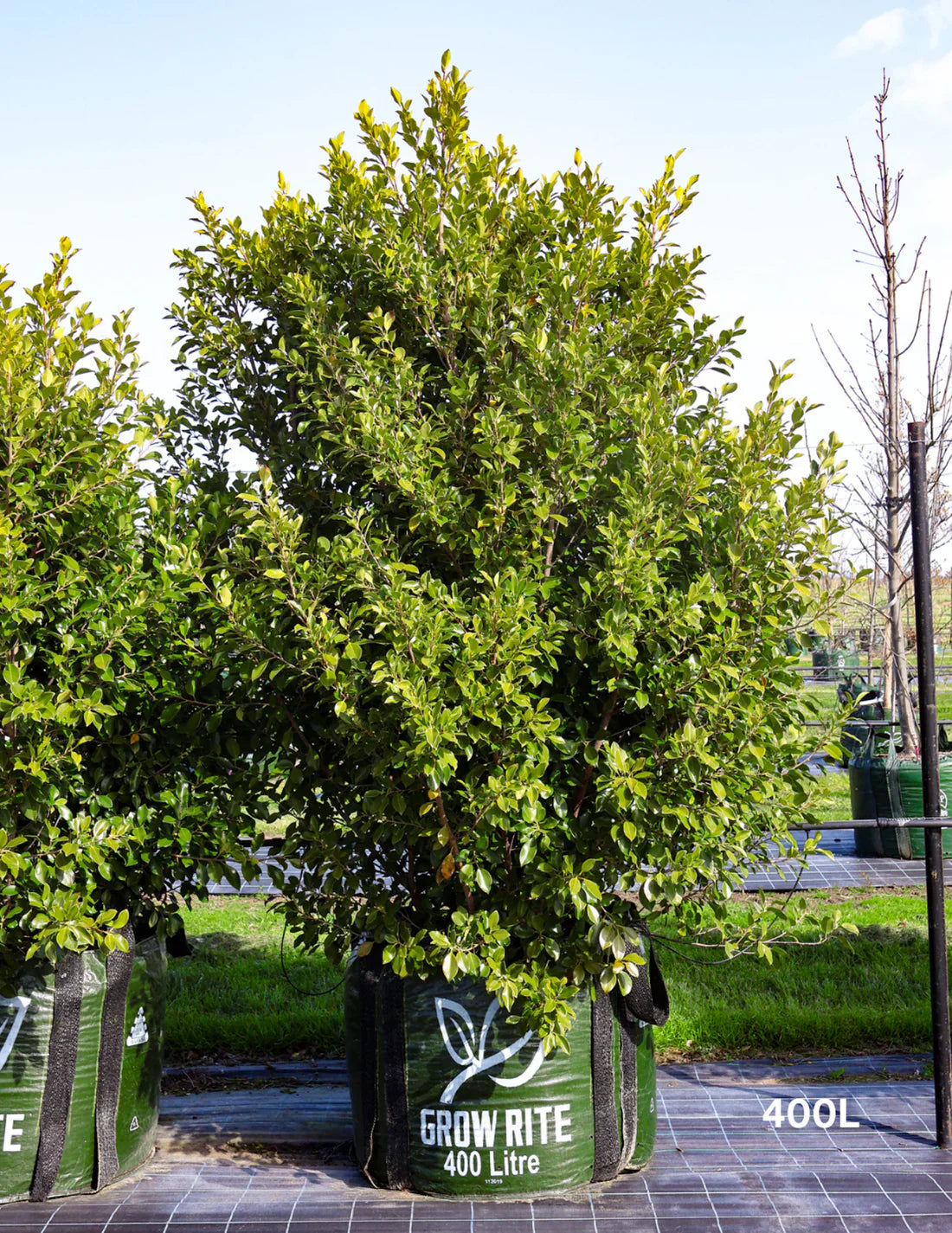
Choosing the Right Trees for a Low-Maintenance Garden
As the season of renewal approaches, many homeowners turn their attention to their gardens, eager to infuse life and color into their outdoor spaces. However, maintaining a garden can feel daunting for those with busy schedules. The solution? Opting for low-maintenance trees that require minimal care yet offer beauty, shade, and charm throughout the year. This guide will explore three excellent choices for a low-maintenance garden: Acer campestre (Field Maple), Crepe Myrtle, and Ficus Flash. These trees are resilient and bring a touch of elegance and tranquility to any garden. The Benefits of Low-Maintenance Trees Low-maintenance trees are a boon for homeowners who wish to enjoy the beauty of nature without the constant demands of garden upkeep. These trees are typically drought-resistant and pest-resistant and require minimal pruning. They thrive with little intervention, making them ideal for those who want to enjoy their garden without the burden of constant care. Moreover, low-maintenance trees contribute to the overall health of the garden ecosystem by providing shade, reducing soil erosion, and supporting local wildlife. Acer campestre (Field Maple) Overview Acer campestre, commonly known as the Field Maple, is a deciduous tree native to Europe and parts of Asia. It is renowned for its adaptability and resilience, making it a top choice for low-maintenance gardens. The Field Maple can grow up to 15 meters tall, though it often stays smaller when cultivated in gardens, reaching around 8-10 meters. Key Features Drought-resistant: Once established, the Field Maple requires minimal watering, making it an excellent choice for gardens experiencing dry spells. Pest-Resistant: This tree is generally free from major pests and diseases, reducing the need for chemical treatments. Beautiful Foliage: The leaves of the Field Maple turn a stunning golden yellow in the autumn, adding seasonal interest to your garden. Low Pruning Needs: The Field Maple is naturally attractive, requiring only occasional pruning to maintain its form. Ideal Planting Conditions Acer campestre thrives in various soil types, including clay, loam, and sandy soils. It prefers well-drained soil and can tolerate both full sun and partial shade. Planting this tree in early spring ensures it establishes well before the summer heat sets in. Crepe Myrtle Overview The Crepe Myrtle (Lagerstroemia indica) is a deciduous tree cherished for its long-lasting summer blooms and attractive bark. Native to Southeast Asia, this tree has become a popular choice for gardens worldwide, particularly for those seeking low-maintenance beauty. The Crepe Myrtle can range from small shrubs to large trees, with heights varying from 3 to 8 meters depending on the variety. Key Features Long Blooming Season: The Crepe Myrtle produces vibrant flowers from mid-summer to early autumn, offering a splash of color when most other plants have finished blooming. Minimal Watering Needs: Once established, the Crepe Myrtle is drought-tolerant, requiring little watering. Disease-Resistant: This tree is resistant to many common diseases, including powdery mildew, making it a low-maintenance option. Versatile Growth: Crepe Myrtles can be grown as shrubs, small trees, or even in pots, making them adaptable to various garden sizes and styles. Ideal Planting Conditions Crepe Myrtles thrive in well-drained soil with full sun exposure. They tolerate various soil types but perform best in slightly acidic to neutral pH levels. Early spring is the best time to plant them, allowing them to establish before the summer. Ficus Flash Overview Ficus Flash (Ficus microcarpa 'Flash') is an evergreen tree known for its glossy foliage and dense canopy. This tree is a fantastic choice for privacy screens or as a statement piece in the garden. Native to Southeast Asia, Ficus Flash is well-suited to warm climates and requires minimal care once established. Key Features Evergreen Foliage: Ficus Flash retains its lush green leaves year-round, providing consistent greenery in your garden. Fast-Growing: This tree grows rapidly, making it an excellent choice for creating quick privacy barriers or adding structure to the garden. Low Water Needs: Once established, Ficus Flash is drought-tolerant and requires minimal watering. Minimal Pruning: The tree is naturally dense and attractive, needing only occasional pruning to maintain its form. Ideal Planting Conditions Ficus Flash thrives in well-drained, fertile soil and prefers full sun to partial shade. It is highly adaptable and can tolerate a range of soil types, though it prefers slightly acidic to neutral pH. Planting in spring allows the tree to establish itself before the onset of hot weather. Tips for a Low-Maintenance Garden Creating a low-maintenance garden is about more than just choosing the right trees. Here are some additional tips to ensure your garden remains easy to care for: Mulch Around Trees: Applying a layer of mulch around the base of your trees helps retain moisture, reduce weeds, and protect the roots from temperature extremes. Group Plants by Water Needs: Plant trees and shrubs with similar water requirements together. This reduces the need for watering and ensures each plant receives the appropriate moisture. Automate Watering: Consider installing a drip irrigation system or soaker hoses to automate watering. This will ensure that your trees receive consistent hydration without manual watering. Choose Native Plants: Native plants are adapted to the local climate and soil conditions, making them more resilient and requiring less maintenance. FAQs Q1: How often should I water my low-maintenance trees?A: Once established, low-maintenance trees like Acer campestre, Crepe Myrtle, and Ficus Flash require minimal watering. During dry spells, a deep watering every two weeks should suffice. Q2: Do I need to fertilize these trees regularly?A: These trees typically do not require regular fertilization. A slow-release fertilizer in early spring can promote healthy growth, but it's not always necessary. Q3: Can I plant these trees in pots?A: Crepe Myrtle and Ficus Flash can be grown in large pots, making them suitable for patios or small gardens. Ensure the pots have good drainage and use high-quality potting soil. Conclusion Choosing the right trees for your low-maintenance garden doesn't mean compromising on beauty or variety. With Acer Campestre, Crepe Myrtle, and Ficus Flash, you can enjoy a stunning, low-maintenance garden that thrives with minimal care. With their resilience and beauty, these trees are perfect for busy homeowners looking to create a serene and manageable outdoor space. As you prepare your garden this spring, consider incorporating these low-maintenance trees to ensure your garden remains a source of joy rather than a chore.
Learn more
How to Design Your Garden with Privacy Trees
As we welcome the gentle warmth of spring, many of us are drawn to our gardens, dreaming of vibrant blooms, lush greenery, and, most importantly, a sanctuary of privacy. The concept of a private retreat within your garden is more achievable than ever, thanks to the strategic use of privacy trees. These natural barriers enhance the beauty of your outdoor space and provide a serene environment, shielding you from prying eyes and unwanted noise. In this comprehensive guide, we’ll explore how to design your garden with privacy trees, focusing on selecting and planting the right species to create an oasis of tranquility. Why Choose Privacy Trees? Before diving into specific tree species, it's essential to understand the benefits of incorporating privacy trees into your garden design: Natural Aesthetics: Privacy trees blend seamlessly with the landscape, offering a more attractive alternative to fences or walls. Environmental Benefits: Trees contribute to the ecosystem by providing oxygen, improving air quality, and supporting wildlife. Year-Round Protection: Evergreen varieties ensure year-round coverage, while deciduous options can offer seasonal privacy. Noise Reduction: Dense foliage acts as a natural sound barrier, reducing noise from nearby roads or neighbors. Selecting the Right Privacy Trees for Your Garden When choosing privacy trees, consider growth rate, height, maintenance needs, and aesthetic appeal. Here are three excellent options that provide both privacy and beauty: 1. Ficus Flash (Ficus microcarpa var. hillii) The Ficus Hillii Flash is popular for those seeking a fast-growing, evergreen tree with dense foliage and excellent coverage. This species is known for its vibrant green leaves, which create a lush, tropical appearance. Growth Rate: The Ficus Flash is a rapid grower, reaching up to 10 meters in height within a few years. Ideal Conditions: This tree thrives in full sun to partial shade and prefers well-drained soil. It's also quite tolerant of different soil types, making it versatile. Maintenance: Regular pruning is essential to maintaining its shape and encouraging bushier growth. Once established, this tree is relatively low-maintenance. 2. Cupressus Better Green (Cupressus macrocarpa 'Better Green') The Cupressus Better Green is an excellent choice for a hardy, canker-resistant variety. This tree is particularly valued for its deep green foliage and ability to thrive in various conditions. Growth Rate: The Cupressus Better Green grows moderately, typically reaching heights up to 12 meters. Its upright growth habit makes it ideal for narrow spaces. Ideal Conditions: This species prefers full sun and well-drained soil. It's drought-tolerant once established, making it suitable for areas with limited rainfall. Maintenance: Minimal pruning is required to remove damaged or dead branches. Its dense foliage provides excellent year-round privacy. 3. Leighton Green (Cupressus leylandii 'Leighton Green') The Cupressus leylandii 'Leighton Green' is a classic choice for creating a dense, tall screen. Its rapid growth and dense, dark green foliage make it a favorite for those looking to achieve quick results. Growth Rate: One of the fastest-growing conifers, the Leighton Green, can reach up to 20 meters. It’s ideal for creating tall hedges or windbreaks. Ideal Conditions: This tree thrives in full sun and well-drained soil. It’s highly adaptable to various climates and soil types, making it versatile. Maintenance: Regular trimming is necessary to maintain its shape and prevent it from becoming too large. Despite its rapid growth, it’s relatively easy to manage with consistent care. Designing Your Garden with Privacy Trees Now that you've selected your privacy trees, it's time to consider how to arrange them in your garden for maximum effect. Here are some design tips to help you create the perfect private oasis: 1. Assess Your Space Before planting, evaluate the available space in your garden. Consider the mature size of each tree to ensure they have enough room to grow without overcrowding. Trees like the Ficus Flash may be more suitable for smaller gardens, while larger spaces can accommodate the towering Cupressus leylandii 'Leighton Green'. 2. Create Layers of Privacy To enhance the privacy effect, consider planting in layers. Start with taller trees like Leighton Green at the back, followed by medium-sized trees such as Cupressus Better Green, and finish with smaller shrubs or ornamental grasses at the front. This layered approach provides privacy and adds depth and visual interest to your garden. 3. Consider Spacing and Growth Rate When planting privacy trees, spacing is crucial. Plant your trees at appropriate distances to allow for growth while ensuring they will eventually form a dense barrier. For example, Cupressus leylandii 'Leighton Green' should be planted approximately 2-3 meters apart to create an effective screen. 4. Incorporate Other Garden Elements Privacy trees can complement other garden elements, such as pergolas, trellises, or garden walls. These structures can provide additional privacy while adding architectural interest. Consider planting climbing vines or flowering plants to soften the look of hardscapes and create a harmonious garden environment. 5. Think About Year-Round Appeal Choosing a mix of evergreen and deciduous trees is essential to maintain privacy throughout the year, especially during the colder months. While evergreens like Cupressus Better Green and Cupressus leylandii 'Leighton Green' provide constant coverage, adding a deciduous tree can bring seasonal color and interest. Planting and Caring for Your Privacy Trees Proper planting and care are vital to ensuring the success and longevity of your privacy trees. Follow these steps to give your trees the best start: 1. Prepare the Soil Before planting, prepare the soil by digging a hole twice as wide and deep as the tree's root ball. Mix in compost or organic matter to enrich the soil and improve drainage. 2. Planting Place the tree in the hole, ensuring the root ball is leveled with the surrounding soil. Backfill the hole with soil, gently firming it down to eliminate air pockets. Water the tree thoroughly after planting to help settle the soil. 3. Mulching Apply a layer of mulch around the tree's base to retain moisture, suppress weeds, and regulate soil temperature. Keep the mulch a few inches away from the trunk to prevent rot. 4. Watering Water your trees regularly during the first few months to help establish strong roots. Once established, watering frequency should be reduced, especially for drought-tolerant species like Cupressus Better Green. 5. Pruning Pruning is essential for maintaining the shape and health of your private trees. Regularly remove dead or diseased branches and trim them to encourage denser growth. FAQs Q: How fast do privacy trees grow?A: Growth rates vary depending on the species. Ficus Flash is a fast grower, while Cupressus Better Green and Cupressus leylandii 'Leighton Green' grow moderately rapidly. Q: Can I mix different privacy trees in my garden?A: Absolutely! Mixing different species can create a more visually appealing garden and ensure year-round privacy. Q: How far apart should I plant privacy trees?A: Spacing depends on the species. For example, Leighton Green should be planted 2-3 meters apart, while Ficus Flash may need slightly more space due to its dense foliage. Q: What is the best time to plant privacy trees?A: Spring is an ideal time to plant privacy trees, allowing them to establish roots before the summer heat.
Learn more
The Best Hedging Trees for Privacy In Your Garden
Looking for the perfect hedging tree to create privacy, add style, or define your landscape? From fast-growing Ficus Hillii, ideal for lush, formal screens, to the relaxed, weeping foliage of Waterhousea Floribunda, there’s a hedging solution for every space. Whether you need a compact option for urban gardens or a towering evergreen for large properties, our selection combines dense foliage, low maintenance, and year-round beauty. Discover the best hedging trees to suit your needs and transform your outdoor space today.
Learn more
Hedging Plants (our recommendations) - Evergreen Trees Direct
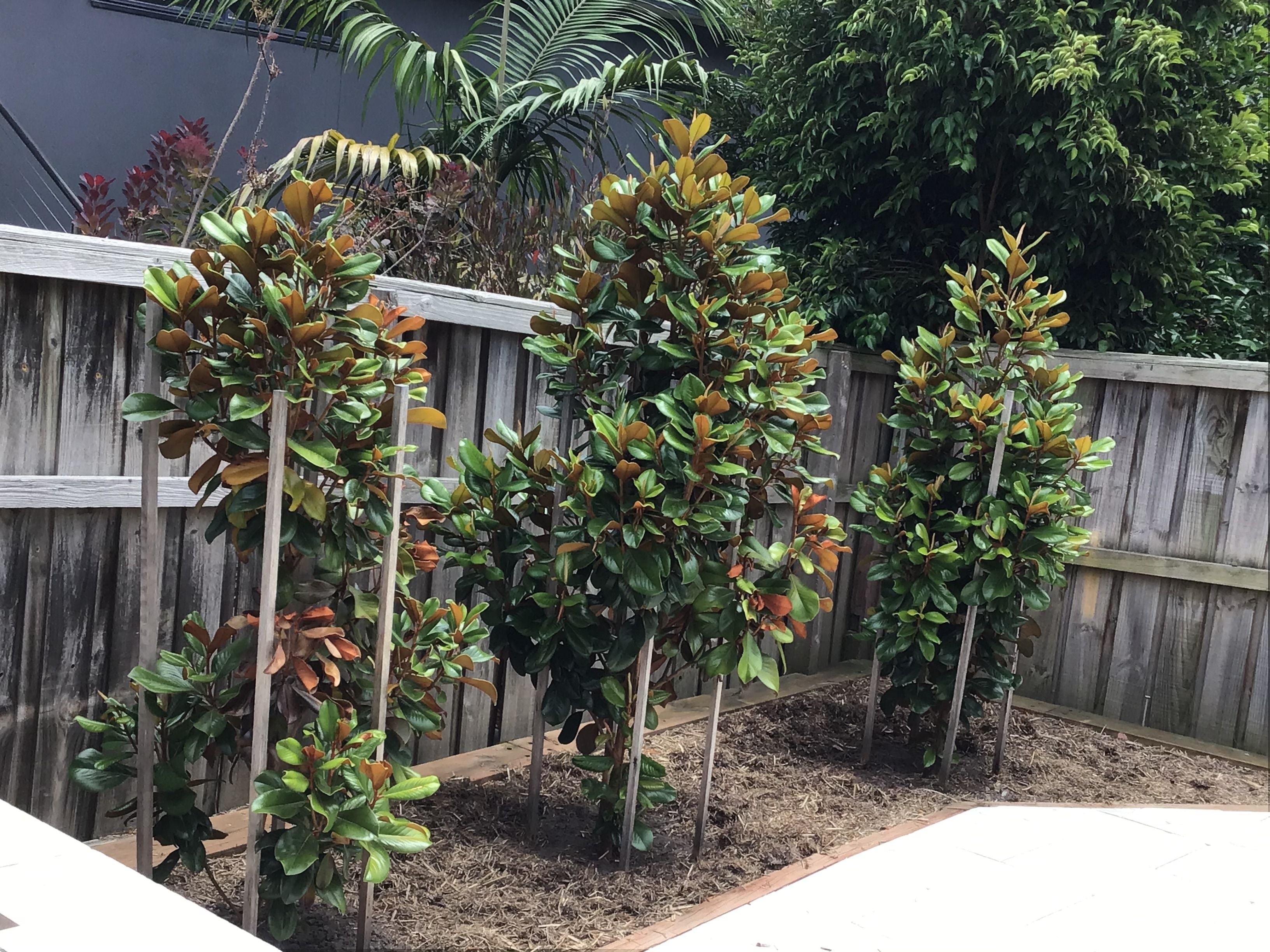
Hedges are one of the most versatile plants in the landscape. They can be used for privacy, Noise reduction, windbreaks, and even as living fences. There are many different species of hedges; evergreen, deciduous, flowering, and nonflowering. Selecting the right hedge for your needs is important to ensure its success in the landscape. What are Hedging Plants? A hedge is defined as "a row of closely planted shrubs or low trees that are trimmed regularly to form a formal boundary or divide between properties." Hedges can be evergreen or deciduous and are often used for privacy, noise reduction, windbreaks, and living fences. Hedges are used for a variety of purposes, such as privacy screening, windbreaks, noise reduction, and more. When choosing a hedging plant, it's important to consider the size and growth habit of the plant, as well as its sun and soil requirements. The Difference Between Evergreen and Deciduous Hedging Trees When choosing hedging plants for your garden, one of the first decisions you'll need to make is whether you want evergreen or deciduous varieties.Evergreen hedges will retain their leaves all year round, providing privacy and wind protection throughout the year. Deciduous hedges will lose their leaves in winter but will produce new growth in spring. This means that they won't provide as much privacy in winter but will give you the benefit of seasonal interest with flowers blooming in spring and summer. Our hedging tree recommendations Ficus Hillii Flash (Evergreen) Growth Size: 10mh x 10m w - (easily kept trimmed to 2-3m h x 1.5m - 2)Spacing: Plant these every 80cm apart for a faster forming hedge or further apart for a slower forming hedge.Positioning: Full sun to part shadeGrowth Rate: FastPerfect for: Screening, Hedging, Feature Tree, Shade Tree, Topiary, Pleaching Ficus hillii flash is one of our best-selling hedging trees. It is an evergreen tree, meaning it keeps its foliage all year round. It is also drought tolerant, growing quickly and having a dense, upright habit. Ficus hillii flash makes a great choice for privacy hedges and can quickly form a solid wall of greenery. It doesn't require much water and can thrive in full sun or partial shade. Ficus Hillii Flash are low maintenance, hardy trees that can be pruned to any shape or size you require. Whether you're looking for a fast-growing privacy hedge or simply a low-maintenance tree, Ficus Hillii Flash is an excellent choice. Waterhousea Floribunda / Weeping Lilly Pilly Growth Size: 10h x 8m w.Growth Rate: FastSpacing: Plant these every 80cm apart for a faster forming hedge or further apart for a slower forming hedge.Temperament: Not drought or frost tolerant.Positioning: Full sun to part shade.Perfect for: Specimen tree, tall screening, hedging, street tree Growth Rate: Fast The Waterhousea floribunda, also known as the weeping lilly pilly, is a fast-growing tree native to Australia. An evergreen tree, it keeps its foliage all year round and can reach heights of up to 10m. It is relatively drought-tolerant, making it an excellent choice for landscaping in dry climates. Additionally, its dense network of branches makes it an ideal tree for creating a privacy screen or windbreak. Though it is relatively low-maintenance, the tree does require regular watering and pruning to keep it looking its best. Consequently, the Waterhousea floribunda is an excellent choice for those who are looking for an attractive, low-maintenance tree for their landscape. Tristonopsis Luscious (Evergreen) Growth Size: 7-12m h x 3-5m w.Growth Rate: FastPositioning: Full sun or part shade.Temperament: Frost and drought tolerant.Perfect for: Shade tree, specimen tree, screening. Tristonopsis luscious is a fast-growing, low-maintenance hedging tree that is perfect for privacy screening or as a specimen tree in large gardens. The leaves are dense and provide good shade and privacy. It grows quickly and can be used to form a hedge relatively quickly. With its attractive foliage and graceful branching habit, Tristonopsis Luscious is sure to enhance any landscape design. The dense foliage offers excellent year-round shade. This hardy tree can withstand cold winters and hot summers, making it a great choice for any climate. Tristonopsis Luscious is also resistant to pests and diseases, making it a low-maintenance option. So if you're looking for an attractive, low-maintenance tree that will add beauty and function to your landscape, look no further than Tristonopsis Luscious! Magnolia Grandiflora Variety Growth Size: Height depends on varietyGrowth Rate: FastPositioning: Full sun to part shadeTemperament: Frost tolerantPerfect for: Feature planting, hedges, screening Magnolia grandiflora are a type of evergreen tree that is native to the southeastern United States. These trees are characterized by their large, glossy green leaves and white flowers. Magnolia grandiflora are often used as hedging trees because they are low maintenance and provide a lot of privacy. These trees do not require much watering and are relatively disease-resistant. Additionally, they are fast-growing and can reach heights of 10m or more. Magnolias are also a good choice for screening trees because of their dense foliage. Overall, magnolia grandiflora are an excellent option for anyone looking for an easy-to-care-for hedge tree. Bay Trees (Laurus nobilis) Growth Size: 5-6m tall Growth Rate: Slow/ ModerateTemperament: Tolerant to frost and coastal conditionsPerfect for: Screening, Hedging, culinary uses, topiary Bay trees (Laurus Nobilis) are an excellent choice for anyone looking for an attractive, low-maintenance evergreen tree. Although they are slow growing, they eventually reach a height of 10 meters and have a dense, symmetrical canopy of dark green leaves. Bay trees are also relatively resistant to pests and diseases, making them a low-maintenance option for the garden. Additionally, their compact size and dense foliage make them perfect hedging trees. Whether you are looking for a tree to add some structure to your garden or need a fast-growing privacy hedge, bay trees are an excellent choice. Pear Trees Size: Depends on varietyTemperament: Tolerant to frostPositioning: Best in full sunGrowth rate: FastPerfect for: Feature tree, lining driveways or fences, large properties Pear trees are excellent choices for hedges and screens for a variety of reasons. They are highly adaptable and can thrive in many different climates and soil types. Additionally, they are fast-growing trees, often reaching heights of 15 meters or more within just a few years. Their dense foliage provides excellent privacy when the trees are in leaf, but they do require occasional pruning to maintain their shape. Another benefit of pear trees is that they are relatively low maintenance, compared to other types of trees. However, it is important to keep in mind that they are deciduous trees, which means they will lose their leaves during the winter months. This also makes them frost tolerant. When planting a new pear tree, be sure to water it regularly until it becomes established. With proper care, a pear tree can provide years of beauty and privacy for your home. Leighton Green Growth Size: Up to 10-15m x 2-3m w Spacing: Plant these every 80cm apart for a faster forming hedge or further apart for a slower forming hedge.Positioning: Full sun or part shadeTemperament: Frost tolerant and a hardy plant in all climatesPerfect for: Screening out a neighbour or building, hedging, windbreakGrowth Rate: Very Fast The 'Leighton Green' Conifer is a fast-growing, drought and frost-tolerant conifer that can make an ideal choice for a hedge, privacy screen, or windbreaker. Capable of growing up to 3 meters in the first 18 months when planted from a small-sized plant, this conifer grows faster than any other conifer or cypress. If left unchecked, it can reach 10-12 meters in height. The 'Leighton Green' Conifer is perfect for screening out a neighbor or building and can be planted every 80 cm apart for a faster-forming hedge or further apart for a slower-forming hedge. This conifer requires regular clipping to maintain a well-behaved and attractive hedge. Hardy in all climates, the 'Leighton Green' Conifer is a great addition to any landscape.
Learn more
Is Ficus Hillii Flash fast growing?
Ficus Hillii Flash is a fast-growing Ficus tree that can be expected to between 40cm - 60cm a year. They are perfect hedging and screening trees. Wholesale rates available. Enquire within.
Learn more
What are the best plants to hedge your garden?
There are many plants that can be used to hedge your garden, but some are better than others. Waterhousia, ficus, conifers and syzygium are all good plants for hedging. They are all fast-growing, so they will quickly form a hedge. They also require little maintenance, so you won’t have to spend a lot of time caring for them. Our top 3 hedging trees include: Waterhousia is a great plant for hedging because it grows quickly and has beautiful flowers. Waterhousia also grows very quickly and is resistant to pests and diseases. Waterhousia loves moist soil, so it is a good choice for gardens that have a lot of rain. Ficus is a good choice for hedging because it grows quickly and has a wide range of shapes and sizes. Ficus can also be used to create either a formal or informal hedge. Ficus is resistant to pests and diseases, which makes it a good option if you are looking for a low-maintenance hedge. Lastly, ficus is an evergreen plant and has a dense foliage which means that your privacy will be maintained all year round. If you want height with your hedge then you should consider using a conifer. They are slow-growing, but can reach heights of up to 30 feet. Some good choices for conifers include yew, juniper, and cypress. So, what is the best plant to hedge your garden? It really depends on your needs and preferences. However, waterhousia, ficus, and ivy are all good choices. They are all fast-growing, require little maintenance, and come in a variety of shapes and sizes. So, whichever one you choose, you can be sure that it will add beauty and privacy to your garden. Image source - Nathan Burkett Landscape Design
Learn more