

Ficus Hillii
Ficus Hillii
976 in stock
Couldn't load pickup availability
Current Stock Height Guides
Current Stock Height Guides
Trade Customers
Trade Customers
We supply advanced trees to landscapers, developers, architects, and councils Australia-wide. Trade clients receive fast quotes, expert advice, and access to premium stock with reliable freight.
Share this product
About Ficus Hillii
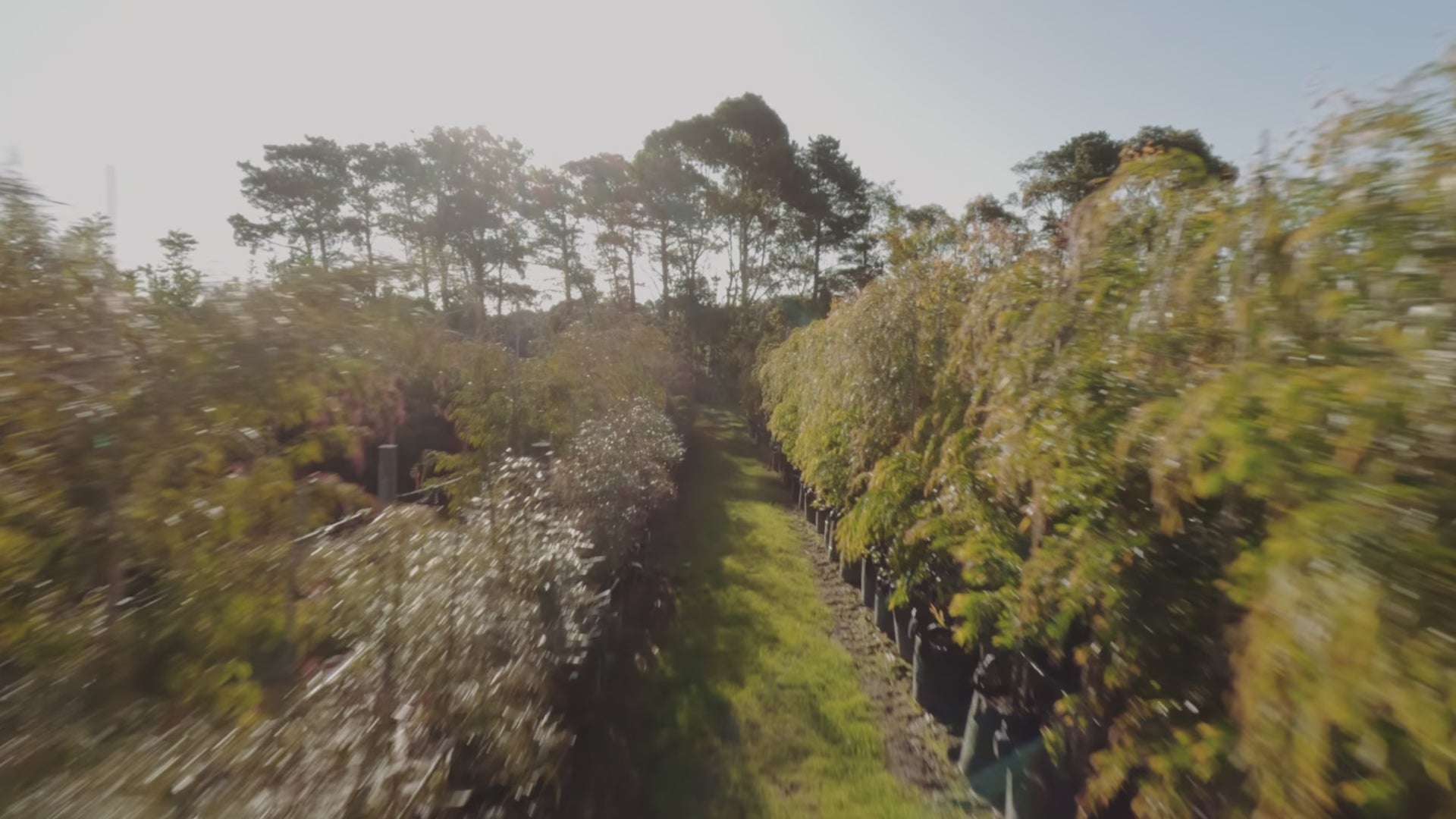
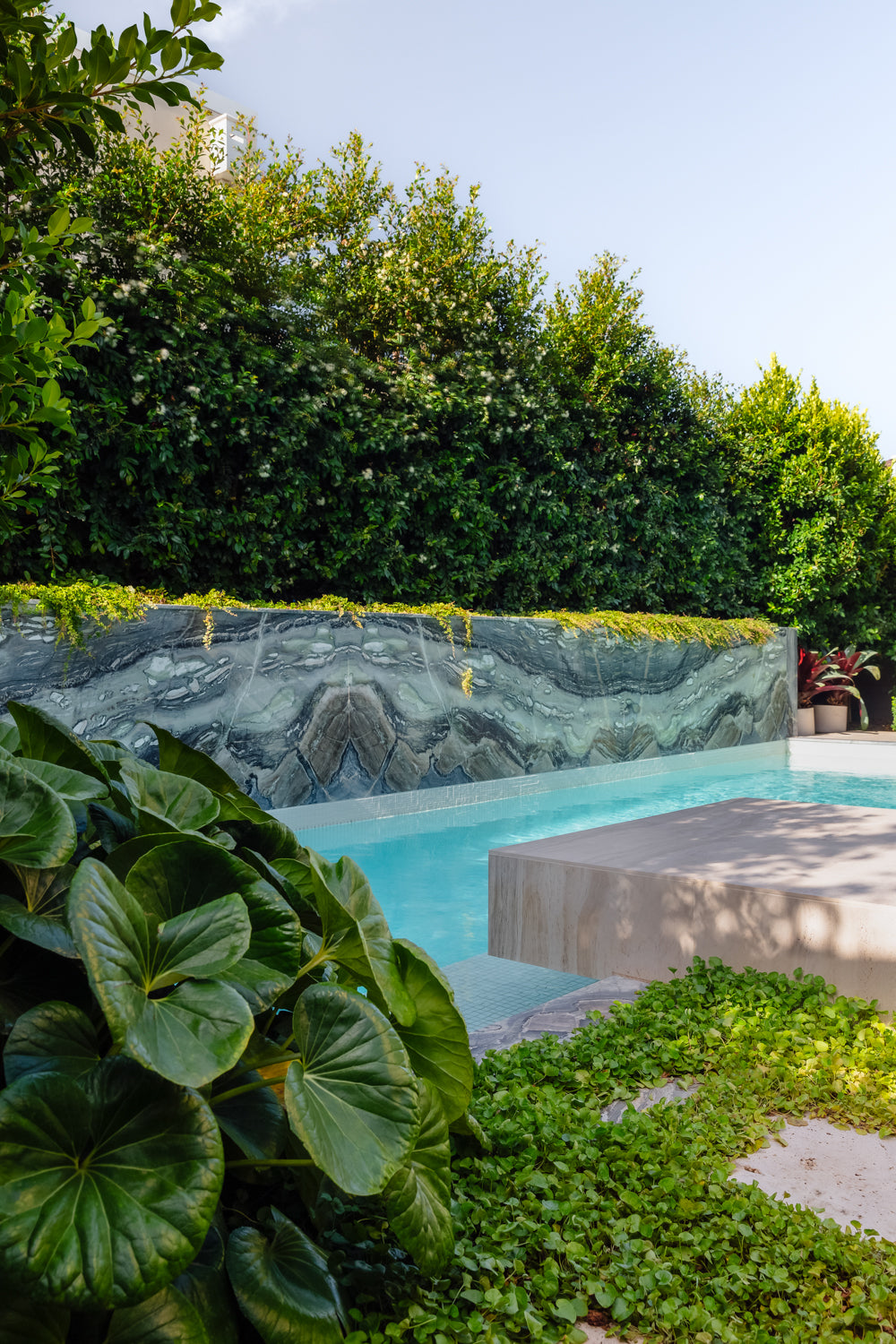
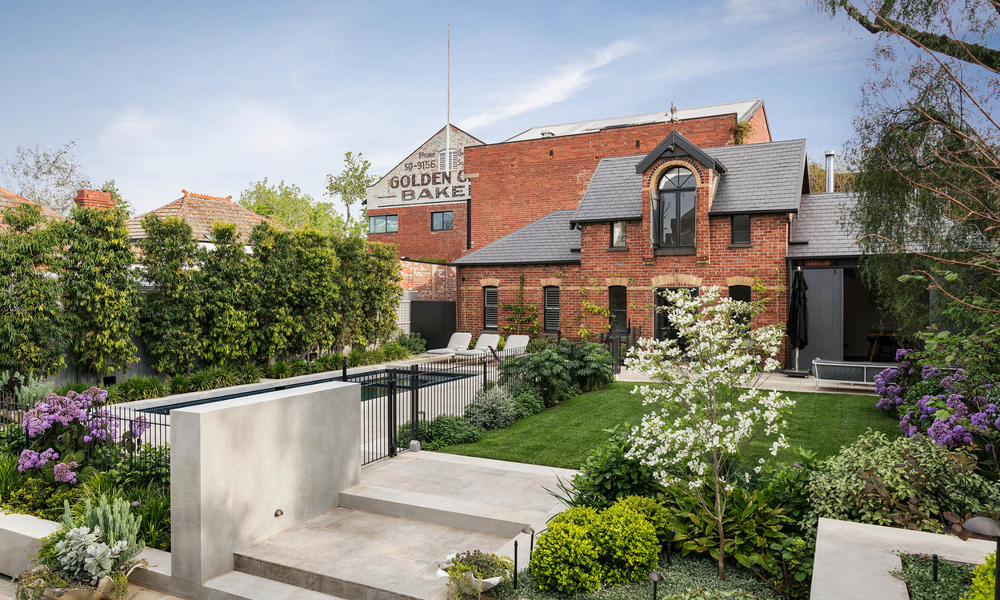
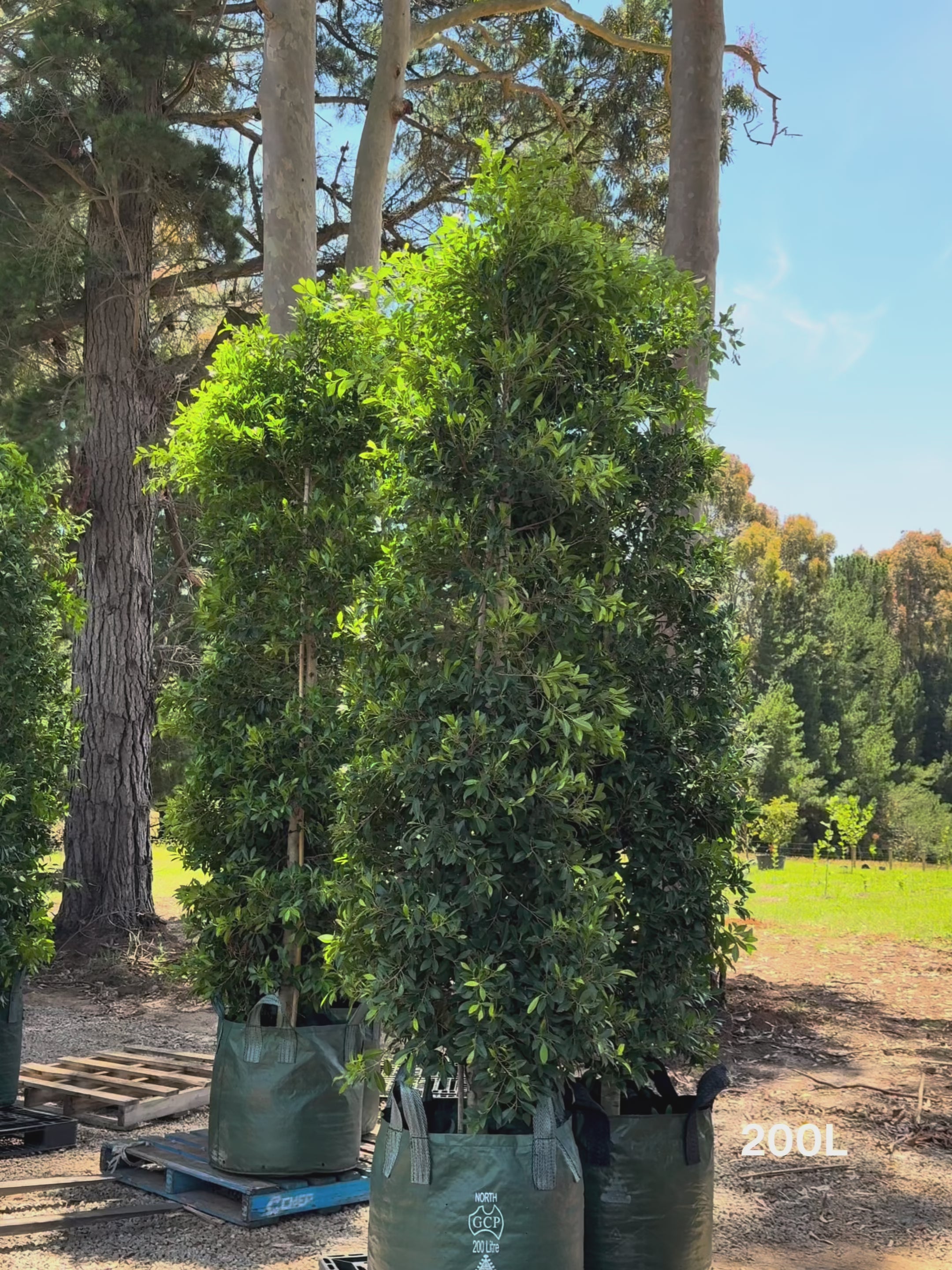
Ficus microcarpa var. hillii (Hill’s Weeping Fig) is a fast-growing, low-maintenance evergreen tree ideal for hedging, screening, pleaching, or feature planting. It has a denser, more pendulous form than Ficus hillii ‘Flash’, giving it a softer, more cascading appearance. The foliage is lime-green, glossy, and tightly packed, making it highly effective for privacy and noise reduction.
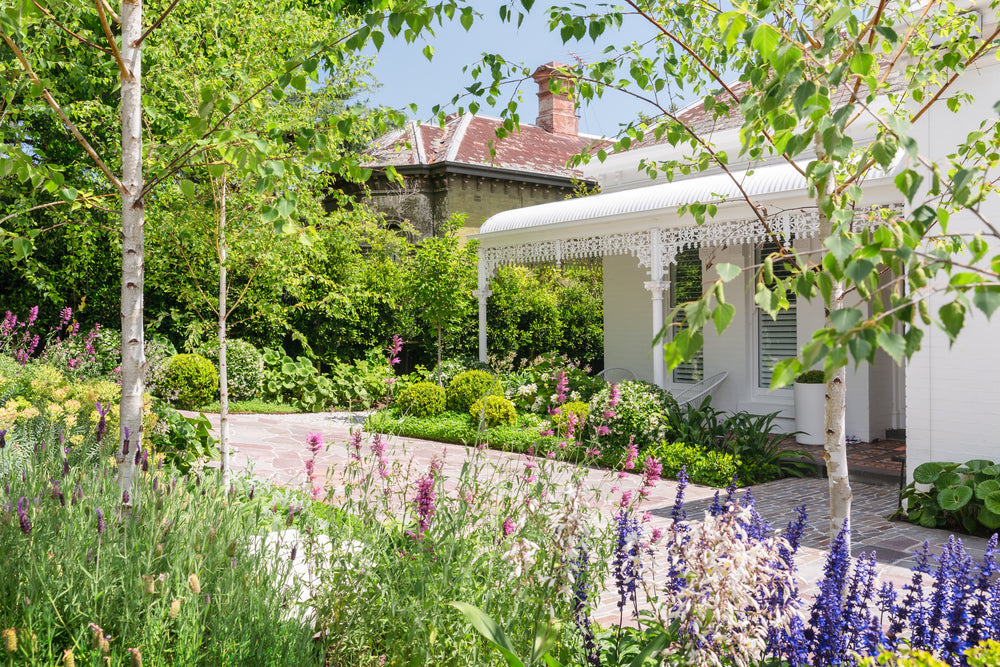
Well-suited to formal gardens and modern landscapes, it can be clipped to a clean, uniform height or left unpruned for a natural, flowing canopy. Commonly used for tall hedges, topiary standards, and pleached rows. It responds well to pruning and shaping, allowing precise control over size and form.
Thrives in full sun to part shade and adapts to most well-drained soils. Performs reliably in a wide range of Australian climates, from coastal to inland zones. Resistant to most pests and diseases once established. A+ grade quality stock, grown to Australian Tree Standards.
Key Information to Know

Evergreen / Deciduous
Ficus Hillii is an Evergreen (foliage year round) Tree

Mature Height & Width
Mature Height: 15m - 30m Approximately
Mature Width: 8 – 10 meters
Ficus Hillii is expected to grow Approx. 0.5–1m annually depending on conditions.

Frost Tolerance
Is Ficus Hillii frost tolerant?
Ficus Hillii is Frost Sensitive – May suffer damage from frost, best in frost-free or protected spots.

Flowering Information
Ficus hillii does not produce visible ornamental flowers; instead, its tiny internal blooms form inside the developing fruit. These hidden floral structures mature into small figs, giving the tree subtle seasonal interest through fruiting rather than traditional flowering.

Native Information
Is Ficus Hillii an Australian Native? No
Ficus Hillii is Native to Northern Australia and Southeast Asia, where Ficus microcarpa hillii naturally occurs in subtropical and tropical regions.

Wildlife Value
Its small figs attract fruit-eating birds, while the dense evergreen canopy offers shade, shelter and nesting opportunities for small birds and beneficial fauna. The layered structure also creates cool micro-habitats that support insects and strengthen garden biodiversity.

Sunlight Information
Ficus Hillii will thrive best in:

Preffered Soil
Ficus hillii performs best in well-drained loam or sandy loam soils and tolerates slightly acidic to slightly alkaline conditions. It can struggle in heavy clay or compacted soils unless improved with organic matter and coarse material to boost aeration. Keep soil evenly moist during establishment, then transition to deep, occasional watering as the tree matures to support its vigorous growth, dense canopy formation and strong drought resilience.
Botanical Information

Botanical Information
Botanical Information
Common Name: Ficus Hillii or Hill’s Fig
Genus: Ficus
Botanical Species: hillii
Family: Moraceae
Botanical Name: Ficus microcarpa var. hillii
Landscape Uses
Landscape Uses
Ficus Hillii works in an:
Planting, Spacing & Care
Planting, Spacing & Care
-
-
-
-
Ficus Hillii is expected to grow Approx. 0.5–1m annually depending on conditions.
Root Ball Dimensions (Width × Depth) For Planting
Root Ball Dimensions (Width × Depth) For Planting
Use this as a reference when digging your planting hole. We recommend digging at least 10% wider than the dimensions below to encourage strong root development.
- 30cm Pot: 33cm (W) × 30cm (D)
- 40cm/45L Pot: 44cm (W) × 41.5cm (D)
- 50cm Pot / 70L Pot: 55cm (W) × 41.8cm (D)
- 100L Bag: 50.6cm (W) × 52.8cm (D)
- 150L Bag: 66cm (W) × 55cm (D)
- 200L Bag: 71.5cm (W) × 60.5cm (D)
- 300L Bag: 88cm (W) × 63.8cm (D)
- 400L Bag: 99cm (W) × 66cm (D)
- 500L Bag: 122cm (W) × 66cm (D)
- 750L Bag: 134cm (W) × 69cm (D)
- 1000L Bag: 146.3cm (W) × 71.5cm (D)
- 2000L Bag: 176cm (W) × 82.5cm (D)
Ideal Conditions
Ideal Conditions
Thrives in
Frost Tolerance
Frost Sensitive – May suffer damage from frost, best in frost-free or protected spots.
Drought Tolerance
As a young tree it requires regular watering, but once established Ficus hillii develops excellent drought tolerance. It thrives in hot, dry, coastal and urban environments and maintains its broad, glossy evergreen canopy with minimal supplementary watering.
Flowering Information
Flowering Information
Does Ficus Hillii flower?
Flowering Period:
Flower Type:
Flower Colour:
Not Applicable
Ficus hillii does not produce visible ornamental flowers; instead, its tiny internal blooms form inside the developing fruit. These hidden floral structures mature into small figs, giving the tree subtle seasonal interest through fruiting rather than traditional flowering.
Frequently Asked Questions
Frequently Asked Questions

We have been featured in