



Skip to content

VOLUME DISCOUNTS APPLY AUTOMATICALLY AT CHECKOUT.

All stock is grown, maintained and graded in strict accordance with AS 4373-2007, Australian Standard for Nursery Stock.

Best Purple-Flowering Trees for Your Garden

Best Purple-Flowering Trees for Your Garden

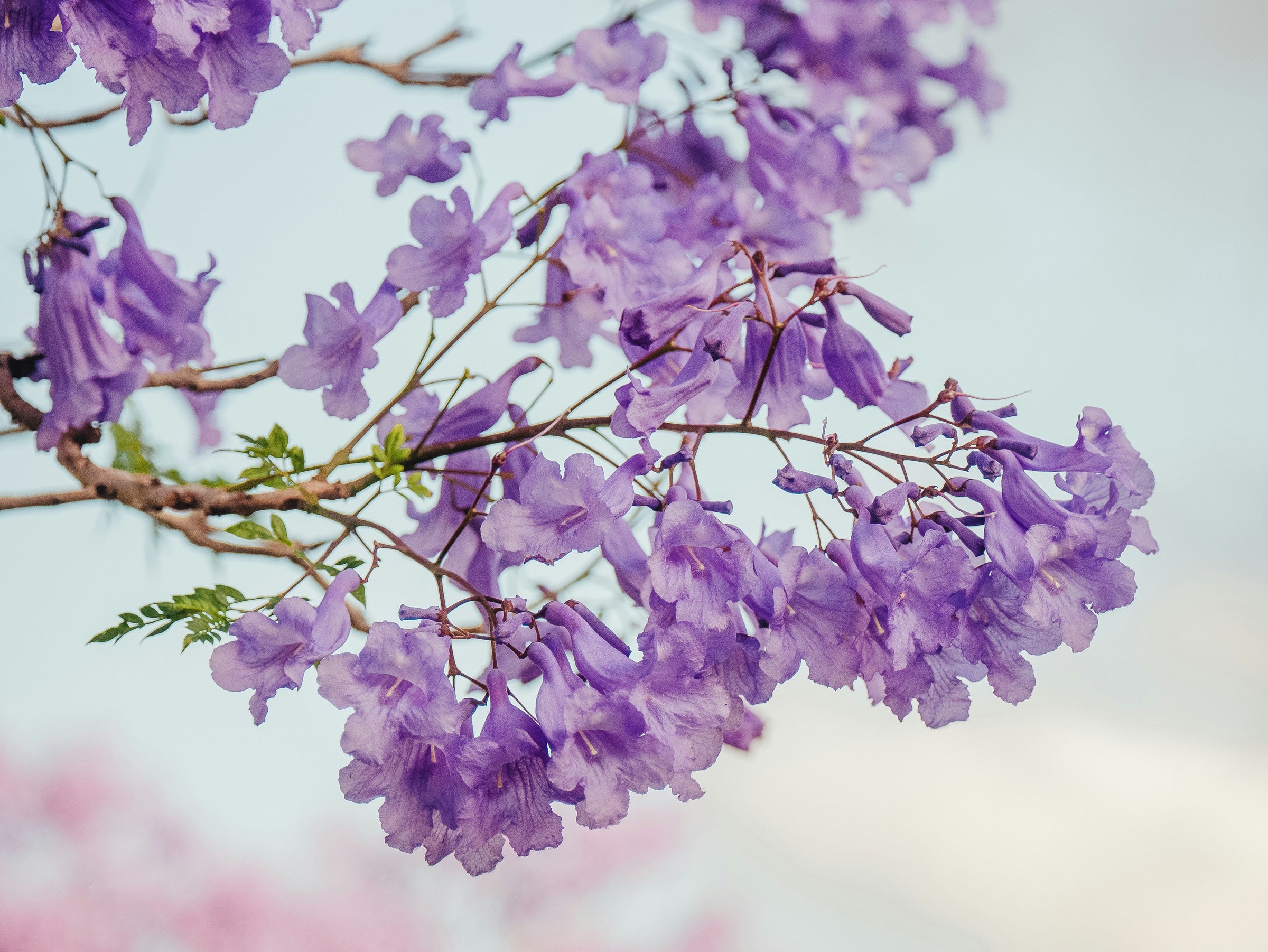
Want that Jacaranda-purple effect in your own garden? Four purple-flowering tree picks for Australian conditions, from the iconic Jacaranda itself to compact Crepe Myrtles and dramatic Black Tulip Magnolia.

Crepe MyrtlesFeature TreesFlowering TreesJacarandaPurple

Purple flowering trees deliver a feature moment unlike anything else. Lavender, violet, deep purple — the colour reads beautifully against blue sky and stops people on the footpath every flowering season.

The four purple-flowering picks below are the ones we recommend most often as a single seasonal feature in the garden. Each one earns its space for the show alone.

  • Jacaranda mimosifolia — the iconic spring purple Jacaranda. The most photographed flowering tree in the country.
  • Magnolia 'Vulcan' — the deep wine-purple Saucer Magnolia. Dramatic early-spring tulip flowers on bare branches.
  • Magnolia 'Black Tulip' — the darkest purple Magnolia. Velvety almost-black tulip flowers in early spring.
  • Lagerstroemia 'Tuscarora' — the deep coral-pink Crepe Myrtle that reads as purple in some light. Long summer flowering with cinnamon trunks.

Compare at a glance

CultivarHeightWidthFormFoliageBest if you…
Jacaranda mimosifolia
Jacaranda
10-15m8-10mSpreading umbrella shapeFine fern-like green foliage through summerLarge gardens, statement front yards, big lawns
Lagerstroemia indica 'Lipan'
Lipan Crepe Myrtle
4-5m3-4mRounded multi-stemBronze new growth, autumn red and orange tonesSmaller gardens, courtyards, suburban yards
Magnolia x soulangeana 'Black Tulip'
Black Tulip Magnolia
4-5m2-3mUpright pyramidalLarge mid-green leaves through summerCool climate feature, courtyard centrepiece, late-winter colour
Cercis canadensis 'Forest Pansy'
Forest Pansy
5-6m4-5mSpreading layered branchesHeart-shaped leaves emerging dark purple, maturing to bronze-purple, then gold in autumnFeature trees, courtyards, layered planting beds
Match the season
Early spring: Vulcan, Black Tulip. Spring: Jacaranda. Summer: Tuscarora. Layer two for back-to-back colour.
Climate
Magnolia x soulangeana cultivars love cool to warm-temperate. Jacaranda prefers warm-temperate to subtropical. Tuscarora handles a wide range.
Block size
Jacaranda needs 12 to 15m clear. Magnolias sit at 5 to 8m. Tuscarora at 5 to 8m.
Pair with evergreen structure
Plant a purple flowering feature against an evergreen hedge or screen behind for year-round structure.

1. Jacaranda mimosifolia (Jacaranda)

The classic purple-flowering tree of Australia. A mature Jacaranda turns whole streets and gardens lavender in late spring.

Type
Deciduous flowering feature tree
Height
10-15m
Width
8-10m
Growth rate
Fast
Foliage
Fine fern-like green foliage through summer
Flowers
Lavender-purple trumpet flowers in late spring
Form
Spreading umbrella shape
Conditions
Full sun, free-draining soil, frost-sensitive when young
Maintenance
Low
Best for
Large gardens, statement front yards, big lawns

Why choose it

No other tree gives the dense purple carpet a mature Jacaranda creates.

Perfect pair

Plant with a Lilly Pilly hedge to frame the spring purple show with evergreen green.

Tips for planting

Plant somewhere you can see fallen flowers from indoors. The carpet underneath is part of the show.

The most iconic purple-flowering tree in Australia.

Shop Jacaranda mimosifolia

2. Lagerstroemia indica 'Lipan' (Lipan Crepe Myrtle)

Lavender-pink panicles through summer give Lipan that purple-leaning crepe myrtle look. A smaller alternative to the Jacaranda for gardens without the space.

Type
Deciduous flowering feature tree
Height
4-5m
Width
3-4m
Growth rate
Moderate to fast
Foliage
Bronze new growth, autumn red and orange tones
Flowers
Lavender-pink panicles from mid-summer to early autumn
Form
Rounded multi-stem
Conditions
Full sun, well-drained soil, frost and drought tolerant
Maintenance
Low. Light winter prune
Best for
Smaller gardens, courtyards, suburban yards

Why choose it

Closest thing to a Jacaranda in a small-garden footprint.

Perfect pair

Pair with a Bay tree hedge for evergreen structure against the soft purple flowers.

Tips for planting

Mulch in spring to keep root zone cool through summer flowering.

Purple-leaning crepe myrtle, sized for suburban Australia.

Shop Lagerstroemia indica 'Lipan'

3. Magnolia x soulangeana 'Black Tulip' (Black Tulip Magnolia)

Deep burgundy-purple tulip-shaped flowers in late winter. Black Tulip is the moodiest Magnolia available and one of the most dramatic small spring-flowering trees.

Type
Deciduous flowering feature tree
Height
4-5m
Width
2-3m
Growth rate
Slow to moderate
Foliage
Large mid-green leaves through summer
Flowers
Large deep burgundy-purple tulip-shaped blooms in late winter and early spring
Form
Upright pyramidal
Conditions
Full sun to part shade, deep moist well-drained soil, frost tolerant
Maintenance
Very low. Avoid heavy pruning
Best for
Cool climate feature, courtyard centrepiece, late-winter colour

Why choose it

Few trees match the depth of purple Black Tulip throws every spring.

Perfect pair

Pair with a clipped Bay tree hedge for structured contrast against the dark flowers.

Tips for planting

Position out of strong wind to protect the heavy flowers.

The richest, darkest purple in any Magnolia.

Shop Magnolia x soulangeana 'Black Tulip'

4. Cercis canadensis 'Forest Pansy' (Forest Pansy)

Heart-shaped leaves that emerge deep purple. Forest Pansy delivers purple from the foliage itself across the whole growing season, not just in flower.

Type
Deciduous flowering feature tree
Height
5-6m
Width
4-5m
Growth rate
Moderate
Foliage
Heart-shaped leaves emerging dark purple, maturing to bronze-purple, then gold in autumn
Flowers
Small pea-shaped pink flowers on bare branches in early spring
Form
Spreading layered branches
Conditions
Full sun to part shade, moist well-drained soil, frost tolerant
Maintenance
Low
Best for
Feature trees, courtyards, layered planting beds

Why choose it

Purple foliage runs all spring and summer, not just a flowering moment.

Perfect pair

Plant with a Lilly Pilly hedge for green backdrop that lifts the purple leaves.

Tips for planting

Avoid hot windy positions. Forest Pansy holds its colour best with afternoon shade.

Purple from the leaves themselves, all growing season.

Shop Cercis canadensis 'Forest Pansy'

How to plant and care for them

Pick the position
Full sun for the strongest flowering. Allow the mature canopy clear of buildings.
Prepare the planting hole
Twice the width of the rootball, same depth. Mix the original soil with aged compost.
Plant level and water deeply
Set the rootball level with surrounding soil. Soak thoroughly.
Mulch out to the drip line
Lay 75 to 100mm of organic mulch from 50mm clear of the trunk.
Water deeply through the first two summers
Twice a week in warm weather, once a week in mild weather.
Light shaping prune
Light winter prune for shape. Never hard back.

The wrap up

Pick the purple feature that matches your climate and block size. Pair it with evergreen structure behind for year-round design.