



Skip to content

VOLUME DISCOUNTS APPLY AUTOMATICALLY AT CHECKOUT.

All stock is grown, maintained and graded in strict accordance with AS 4373-2007, Australian Standard for Nursery Stock.

Native Trees for Erosion Control

Native Trees for Erosion Control

Four hardy Australian natives that stop soil erosion on slopes, banks and coastal sites. Plus practical planting tips for stabilising slopes.

acaciabanksiacasuarinaerosion controleucalyptusnative treesslope planting

Erosion is a real cost on sloped sites: lost topsoil, undermined paths, sediment in waterways. Native trees fix it the cheapest way possible. Deep roots, dense canopies, and a tolerance for the local conditions other trees can't match.

Here are four natives we recommend at Evergreen Trees Direct for serious erosion control.

Why native trees outperform exotics

Adapted root systems. Local soil microbe partnerships. Wildlife habitat as a bonus. Natives hold ground that imported species lose every wet season.

{{ metaobject:article146-casuarina-cunninghamiana }}

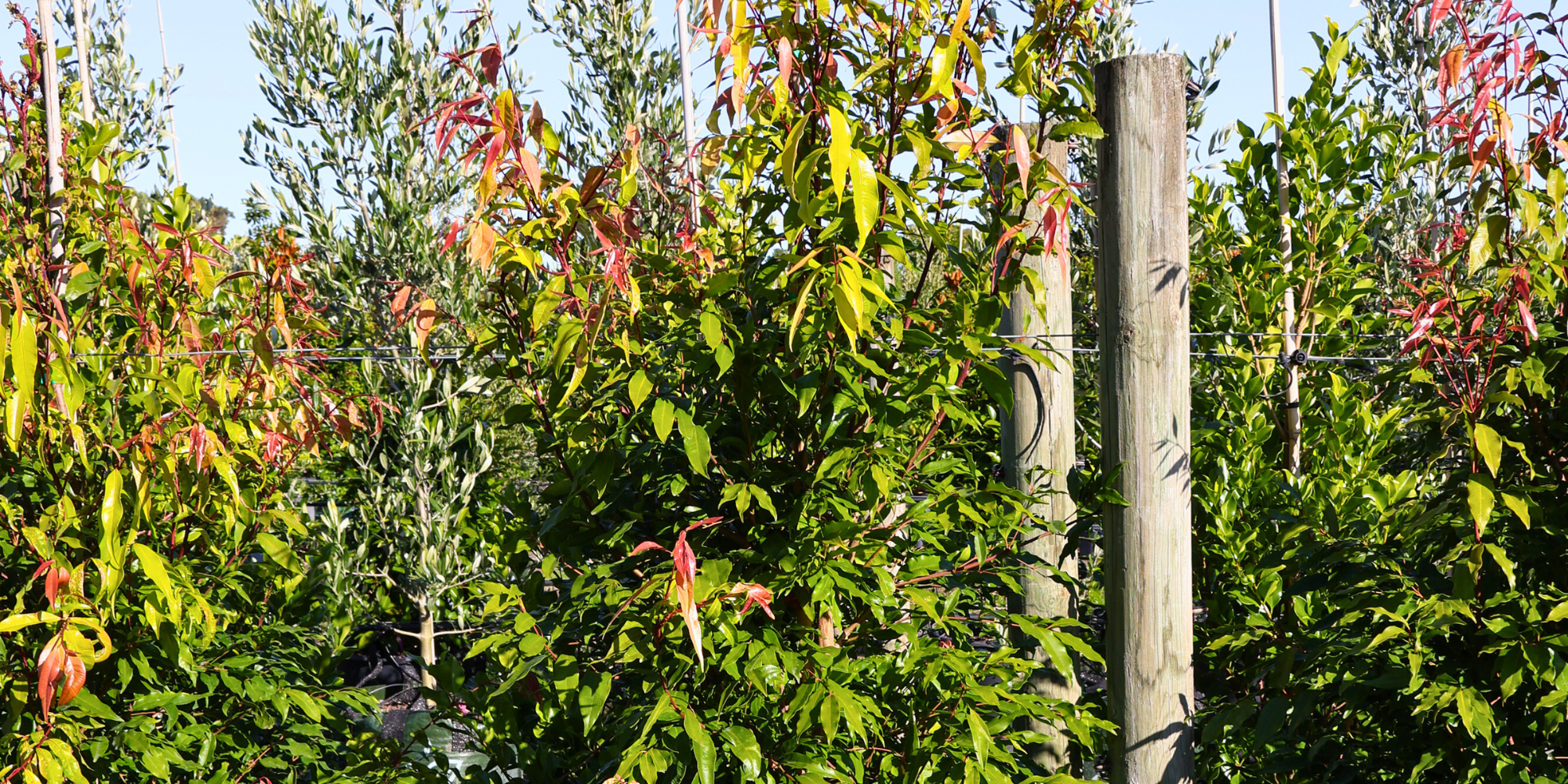
Native foliage

{{ metaobject:article146-acacia-implexa }}

Acacia detail

{{ metaobject:article146-banksia-integrifolia }}

{{ metaobject:article146-eucalyptus-melliodora }}

Native canopy

Planting for erosion control

Plant on contour lines across the slope. Use mixed species. Combine trees with ground covers like Lomandra and Dianella. Mulch heavily until canopy closes.

FAQs

Best tree for slopes? Acacia implexa for fast cover, Yellow Box for long-term anchoring.

Spacing? 3-4m for small species, 6-8m for canopy trees.

Maintenance? Water through year one then leave alone.

Compare at a glance

CultivarHeightWidthFormFoliageBest if you…
Casuarina cunninghamiana
River She-oak
15-25m8-12mWeeping, conicalFine needle-like cladodes, dark greenRiverbanks, slope stabilisation, windbreaks
Acacia implexa
Hickory Wattle
7-15m4-8mUpright, openNarrow sickle-shaped phyllodesErosion control on slopes, pioneer planting
Banksia integrifolia
Coast Banksia
6-15m3-5mUpright, gnarledDark green above, silver undersideCoastal erosion, dune stabilisation, native habitat
Eucalyptus melliodora
Yellow Box
15-25m8-15mUpright, spreading crownNarrow grey-green leavesSlope stabilisation, paddock shade, native habitat

1. Casuarina cunninghamiana (River She-oak)

Tall native with weeping needle foliage and an extensive root system that locks down soil along watercourses.

Type
Evergreen tree
Height
15-25m
Width
8-12m
Growth rate
Fast
Foliage
Fine needle-like cladodes, dark green
Form
Weeping, conical
Conditions
Full sun, most soils, tolerates wet feet
Maintenance
Low.
Best for
Riverbanks, slope stabilisation, windbreaks

Why choose it

Massive fibrous root system grips soil along banks and slopes. Tolerates seasonal flooding so it holds where eucalypts fail.

Perfect pair

Pair Casuarina cunninghamiana with a Banksia integrifolia feature for native riverside structure.

Tips for planting

Plant along contour lines on slopes. Mulch heavily until canopy closes. Water through year one.

The native go-to for soil-holding work.

Shop Casuarina cunninghamiana

2. Acacia implexa (Hickory Wattle)

Fast-establishing native wattle with a deep root system that binds slopes within seasons.

Type
Evergreen tree
Height
7-15m
Width
4-8m
Growth rate
Fast
Foliage
Narrow sickle-shaped phyllodes
Flowers
Cream globular blooms in summer
Form
Upright, open
Conditions
Full sun, poor soils, drought tolerant
Maintenance
Low. Avoid pruning.
Best for
Erosion control on slopes, pioneer planting

Why choose it

Nitrogen-fixing roots improve soil while gripping it. Fast cover means erosion stops within one growing season.

Perfect pair

Pair Acacia implexa pioneer planting with a Casuarina cunninghamiana feature tree.

Tips for planting

Plant in groups for maximum cover. Avoid fertiliser. Water through year one only.

Fast cover for the worst slopes.

Shop Acacia implexa

3. Banksia integrifolia (Coast Banksia)

Coastal native with specialist proteoid roots that hold sandy soils against wind and rain.

Type
Evergreen tree
Height
6-15m
Width
3-5m
Growth rate
Moderate
Foliage
Dark green above, silver underside
Flowers
Yellow candle blooms autumn to winter
Form
Upright, gnarled
Conditions
Full sun, sandy or well-drained soils, coastal tolerant
Maintenance
Low.
Best for
Coastal erosion, dune stabilisation, native habitat

Why choose it

Proteoid root mats extract nutrient and water from sand and hold the dune face. Bonus winter nectar for native birds.

Perfect pair

Pair Banksia integrifolia with a Casuarina cunninghamiana for coastal structure and shade.

Tips for planting

Plant on the leeward side of the dune. Use low-phosphorus native fertiliser only.

The dune-holder that supports wildlife at the same time.

Shop Banksia integrifolia

4. Eucalyptus melliodora (Yellow Box)

Inland native gum with a deep taproot and spreading lateral roots that anchor soil through drought and rain.

Type
Evergreen tree
Height
15-25m
Width
8-15m
Growth rate
Moderate to fast
Foliage
Narrow grey-green leaves
Flowers
Cream blooms with high-value honey nectar
Form
Upright, spreading crown
Conditions
Full sun, most soils, drought tolerant
Maintenance
Very low.
Best for
Slope stabilisation, paddock shade, native habitat

Why choose it

Deep taproot reaches subsoil moisture and locks slope substrate in place. Bee and bird food for free.

Perfect pair

Pair Yellow Box with a Banksia integrifolia for layered native habitat.

Tips for planting

Plant in autumn. Water through year one only. Allow space for the spreading crown.

Anchor tree for the dry inland slope.

Shop Eucalyptus melliodora

Frequently asked questions

Best tree for slopes?
Acacia implexa for fast cover, Yellow Box for long-term anchoring.
Spacing?
3-4m for small species, 6-8m for canopy trees.
Maintenance?
Water through year one then leave alone.